
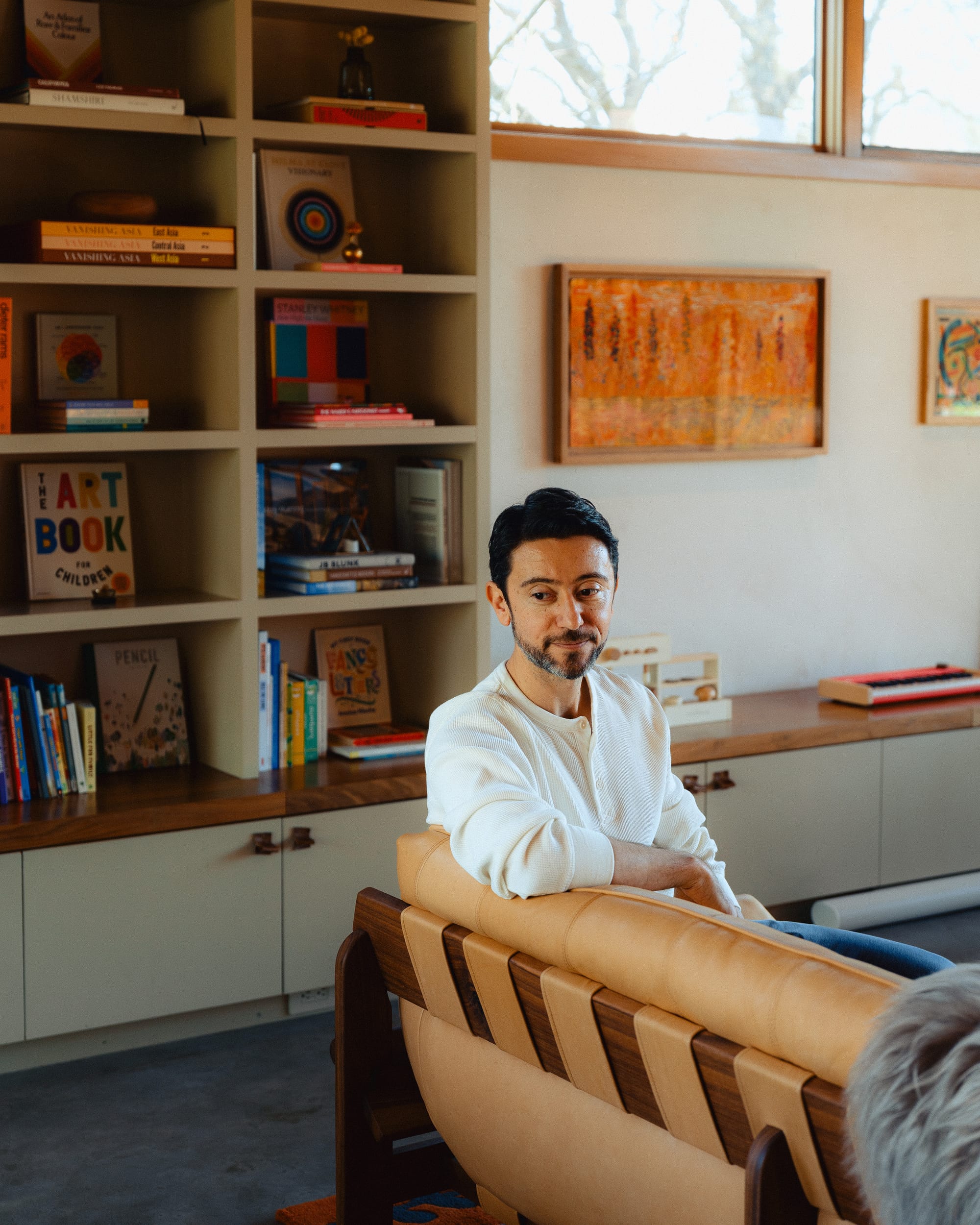
Lenny Rachitsky says his goal with Lenny’s Newsletter was just to live a chill life. From where I sit — as we face each other on the leather couch in his Marin County home, jazz playing, steam rising from his mug — he got what he wanted.
But I wonder if success has taken him quite far from that goal.
“I have a lot of flexibility throughout the day,” he reminds me. “I can go on walks with my family and pick up my son from school. But on the other hand, I work a lot now. I always want to work. I always want to put more time into making sure everything I do is awesome. There are just a lot of things to stay on top of.”
Lenny’s Newsletter has 1.2M subscribers. It’s the top business newsletter on Substack and is top four in publications in the US. Lenny’s Podcast has over 500K YouTube subscribers and each episode gets 100-200K downloads. The sheer volume of what’s in his orbit is impressive on its own: ~25 pieces of content per month across his newsletter, podcast, community wisdom emails and the two other podcasts now on his network, “How I AI” and “The Skip.” He curates and frequently updates a list of partners for Lenny’s Product Pass and maintains its infrastructure, has a thriving 40K-person community and has even put on a 1,200-person conference in San Francisco, Lenny and Friends Summit.
All of this didn’t just happen to him. Nothing is an accident, even if he sometimes makes it sound that way.
“I’m not trying to be this influencer or creator,” Rachitsky says. “I think the reason people enjoy my work is that I’m just a friendly guy who’s learning the same way the audience is learning. I just want to share useful information that will help you in your life.”
After spending hours with Rachitsky, I see that the person on the podcast is largely the person you get off-screen. But peel back that first layer of equanimity, and you’ll find someone with something to prove. He’s built “Lenny’s” by delivering on the promise of helping people be more successful at work. And the only way for him to keep doing that is to create a life where only what he chooses — and only what he can dedicate time to — are allowed in.
“I have a rule: no meetings before 3pm,” Rachitsky says. The retro analog clock on the wall ticks past 9:30am. “This is an exception.”
Rachitsky set out to prove he could build his own thing. He did it twice.
Rachitsky and his wife of 10 years, Michelle Rial, have opened their home to me and a photographer so we can tell their story. It’s somewhat of a rare opportunity to see their life from the inside — where the lines between work and life blend like a charcoal drawing.
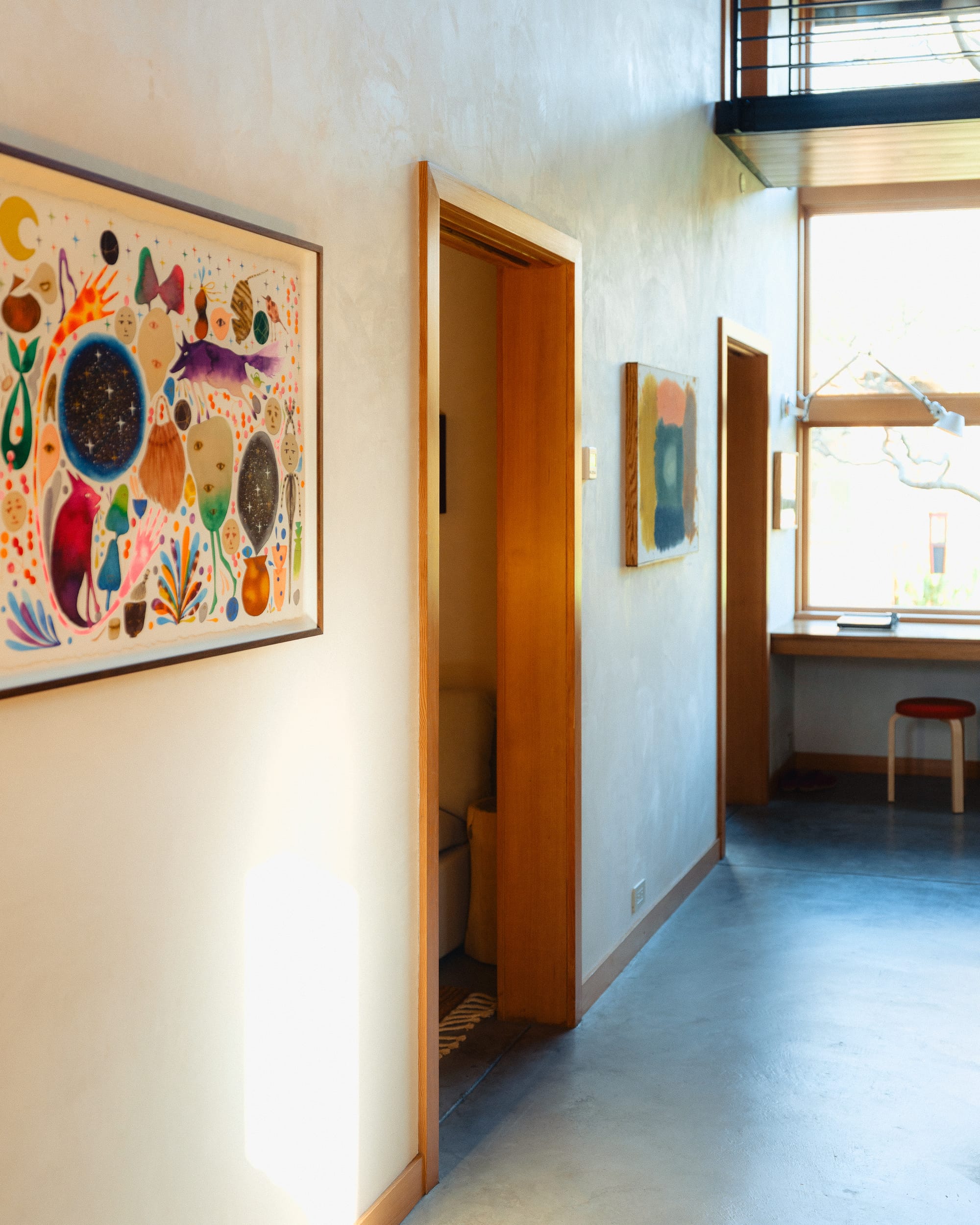
When my shoes come off, heat radiates through the concrete floors. A lit candle throws the scent of a tomato plant. Local art lines the walls, curated by Rachitsky and Rial, who is an artist herself. The house’s many windows embrace the morning sun, and dangling from one of them is a crystal to refract light. Upon closer inspection, it’s anchored to a motor, slowly rotating the crystal in a circle so rainbows roll across the floor in a tidal rhythm. Most of Rachitsky’s work gets done in a black leather Eames lounge chair that’s currently occupied by Einstein, their adopted Bichon-Maltese.
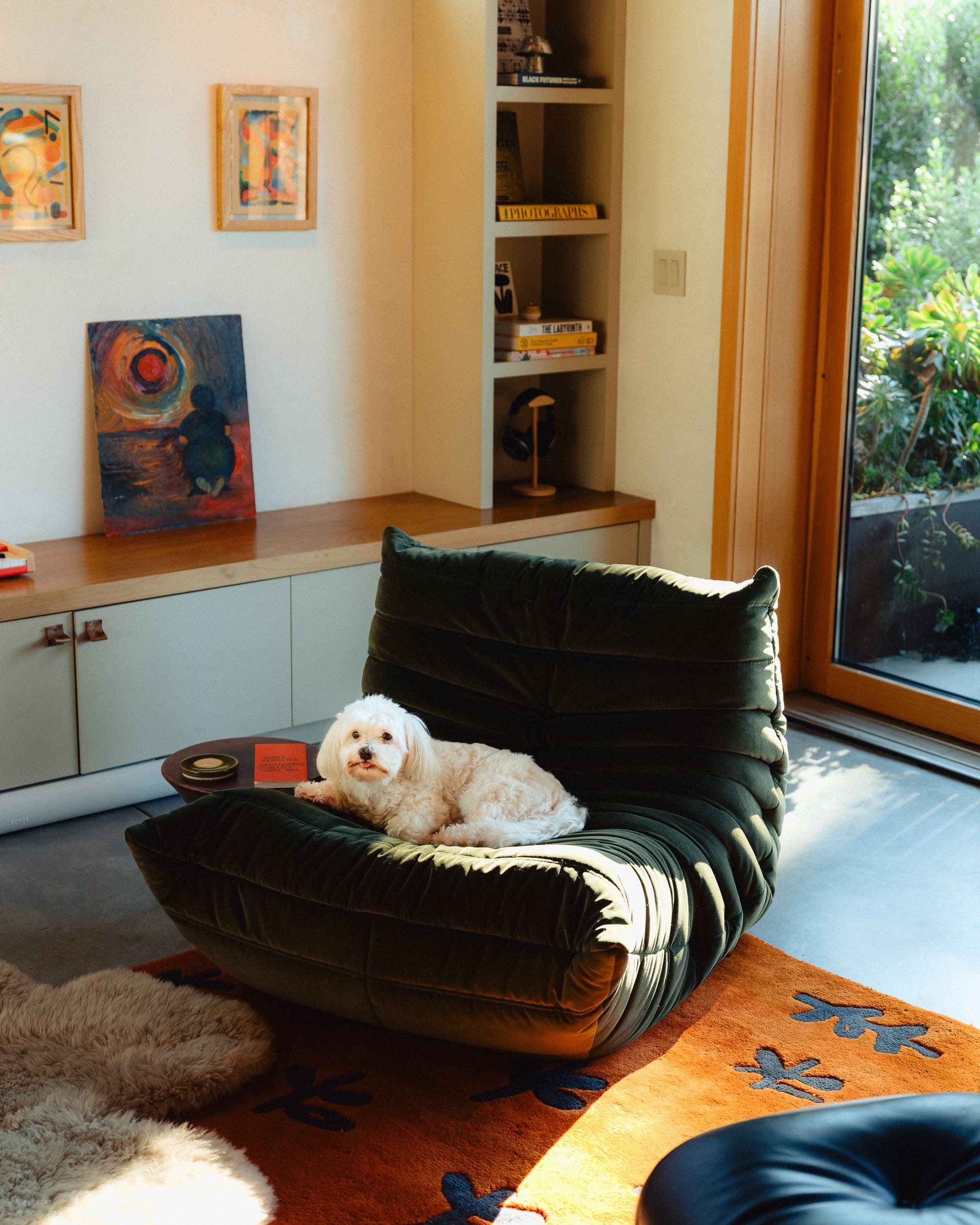

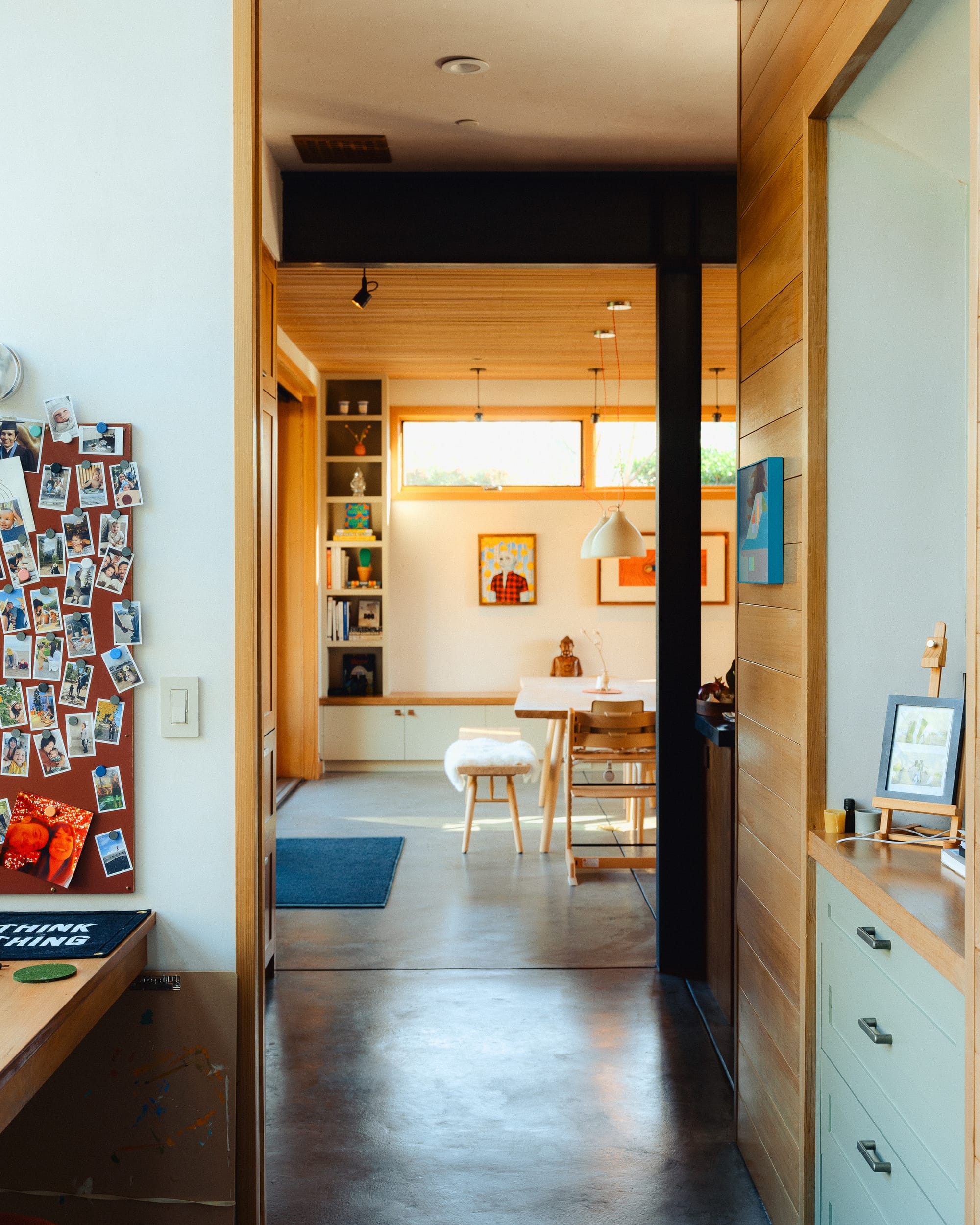
“Both of us work from home. We want it to be a beautiful place to work, wherever you’re sitting. The colors should feel harmonious, each place to sit should feel cozy,” Rial says. “Comfy, beautiful and inspiring work.”
The home brings into sharp focus the contradiction of Rachitsky. These two competing ideas — a chill life and obsessive work — aren’t actually in tension with each other. To understand why, you have to go back to Odesa.
Rachitsky was born in Ukraine to Jewish parents who applied to emigrate but were denied exit, being labeled “refuseniks,” a community of 30,000-40,000 Soviet Jews who declared their desire to leave the country. (In a recent podcast episode, he found out he and Boris Cherny, the Creator and Head of Claude Code, are from the same town.) They paid a price for it. Wanting to leave was itself an act of treason, and Rachitsky says his parents had a difficult time after their application was denied. These applications were documented, and in many cases impacted the careers of refuseniks, whether it was being fired or being denied work in their area of specialization. Many refuseniks also went to the gulags.
Rachitsky’s parents were stranded. But coming to America was always very important to his mother, so much so that she only wanted to marry someone who was ready to leave the USSR — the person who first introduced Rachitsky's parents lied to his mother, saying his father spoke English when he didn’t.
When Rachitsky was six and his sisters were three, Rachitsky’s parents were at a party when they heard about another opportunity to apply for exit (Soviet policy was beginning to crack due to pressure from the Reagan administration), so they took it. The Rachitskys landed in Los Angeles, via Italy, with the help of the US Jewish Federation. His mother was an economist in Ukraine and started a new career as a CPA in the US, even though she barely spoke English. His father was a mechanical engineer and drove taxis and limos while breaking back into mechanical engineering.
Rachitsky doesn’t talk about this like it’s some kind of formative wound, but rather, where some of his drive comes from.
“My mom has had a lot of influence on the way I am. She said working hard was the key to success, and she pushed me to work hard too. She prioritized income and making money because that drives safety, security and opportunity,” he says.
His father operates differently. “My dad is my number one fan. He checks my Substack rankings and subscribers every day. He’s always like, ‘Oh, you’re number seven today!’ I actually don’t know what he does all day besides check my stats,” Rachitsky says. “But it’s a nice balance to have.”
Growing up, Rachitsky was shy, quiet and reserved — so much so that his mom asked a doctor what to do, and the doctor suggested team sports. Rachitsky wasn’t interested. He didn’t really have a bunch of friends, didn’t go to parties. But as we’re talking about his upbringing, he says something that’s actually quite revealing: “I always felt like I could achieve things. I always had this chip on my shoulder of like, ‘I’ll show people what I can do.’”
It’s the kind of thing a kid decides after watching his parents in circumstances that didn’t afford them much choice at all.
Rachitsky’s mother was probably happy with the reliability of his early career decisions. After studying computer science at UC San Diego, he got a job as an engineer at web monitoring company Webmetrics, and spent a total of nine years there (through the company’s acquisition by NeuStar, a clearinghouse for telecom data). But maybe what she didn’t know was that he was spending a lot of time on Hacker News, thinking about what he’d do next. Rachitsky says he loved building and knew he wanted to start his own company — a manifestation of that chip on his shoulder from childhood.
Starting your own company is a great way of showing people what you can do, versus working for someone telling you what to do. – Lenny Rachitsky
Friend Alistair Croll gave him the opportunity. Croll had recently launched Year One Labs, a startup incubator in Montreal, and convinced Rachitsky to quit his job and move north in the dead of winter to pursue his startup idea. His first stop after landing at the airport was to go get a real jacket.
That idea became Localmind, which allowed users to post questions about specific locations and get real-time answers from local experts. The company launched at South by Southwest in 2011 and raised $600K, but Rachitsky recognizes it was a moment-in-time business built on the SoLoMo (social, local, mobile) movement. “Looking back it was a terrible business idea. Being able to ask someone a question about a place you’re going was such a magical experience at the time. It turns out people only need that once a quarter.”
When Airbnb aimed to acquire the company in an all-stock transaction, one of Localmind’s investors tried to veto the deal, believing it’d be a huge loss. The way Rachitsky tells it, he and co-founder Beau Haugh entered a big boardroom to an extremely tense meeting with their VCs and threatened to quit Localmind and just join Airbnb. Rachitsky was so nervous that he wrote himself a notecard with a script of what to say. “There’s a lot of extrovertedness to being a founder. I learned I could do the stuff I had to. I learned I could do hard things,” he says. Rachitsky overcame his soft-spoken nature to push through the sale of Localmind to Airbnb.
For the person who wanted autonomy, being told what to do didn’t sit well. He was also right. “It ended up being like a 20x return for them. The partner came to us later and asked: ‘How can we do that again?’” he says.
Rachitsky joined Airbnb with a plan to do a quick stint, gathering as much information as possible about how to run a successful business, then start another company. Instead he stayed seven years — becoming one of its first PMs. “I learned so much and built a network. My time at Airbnb was so helpful in so many ways. It would’ve been dumb to leave early,” he says.
When the company introduced its sabbatical program, Rachitsky took it. He spent three months living his very own cliche: traveling, reading, doing a 10-day silent retreat. About 45 days in, he checked in at work and had a heart-sinking moment: “I thought, ‘This stuff is so boring and it doesn’t actually matter. What the hell am I still doing here?’” Rachitsky describes the feeling as the Kool-Aid leaving his bloodstream. He quit.
Back on the couch in Marin, I’m now interviewing Rial. She takes Rachitsky’s place and Einstein jumps between us. She tells me she was nervous when Rachitsky left Airbnb. She’d been in media and advertising — and understood from her own experience as an artist how hard it was to make a living doing creative work on the internet. Over the course of her career, she’s even had to take a couple medical leaves (upending her career in the process) for repetitive strain injuries. Stability is important to her.
Rial describes herself as the unorganized, messy one — she will leave the dishes for tomorrow, runs late and works from instinct. Rachitsky is very much the one who takes care of things right away. She calls him Mary Poppins and a “disciplined hippie.” It’s hard to stay nervous about someone like that.
“He always seems to figure it out,” she says.
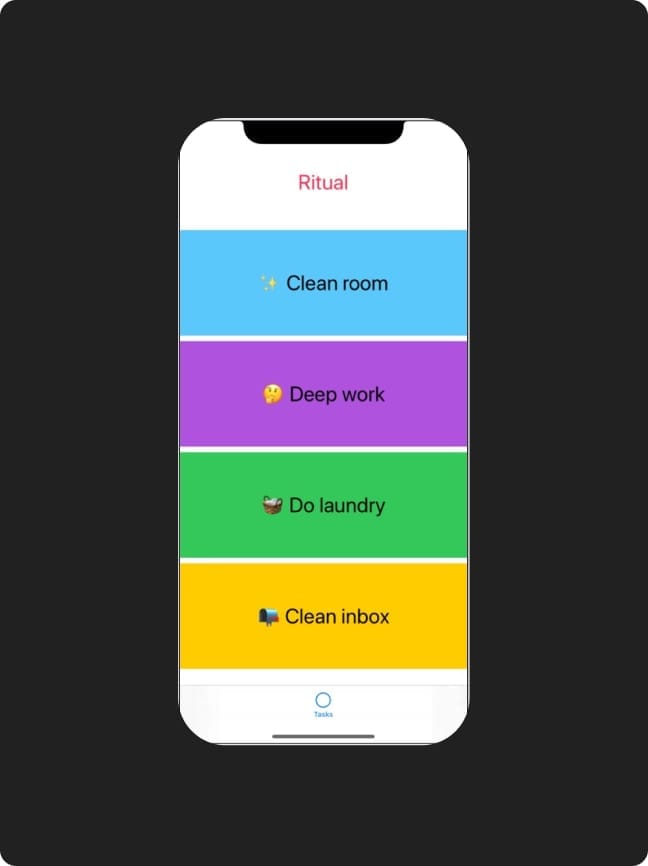
When Rachitsky was considering his next move, he revived a list he’d been cultivating during his seven years at Airbnb of things he wanted to build and started prototyping — which at that time meant building a V1 of the idea, showing it to potential users and validating their thinking. One of his big ideas was a “Whole Foods of gas stations,” very clean and nice, with wifi, good food and coffee. Another was an iOS app called Ritual to help with daily chores and habits.
But he craved more structure to feel like he was both accomplishing something and being productive. So he created a sprint process and board of directors. Initially it was seven friends (including now Anthropic technical staff member Igor Kofman and multi-time founder Greg Isenberg), but over the course of six months, it grew to 30 people. He’d email this board every two weeks outlining his three professional and personal goals, email again with a mid-sprint progress report and finally, email at the end of the two weeks with a summary.
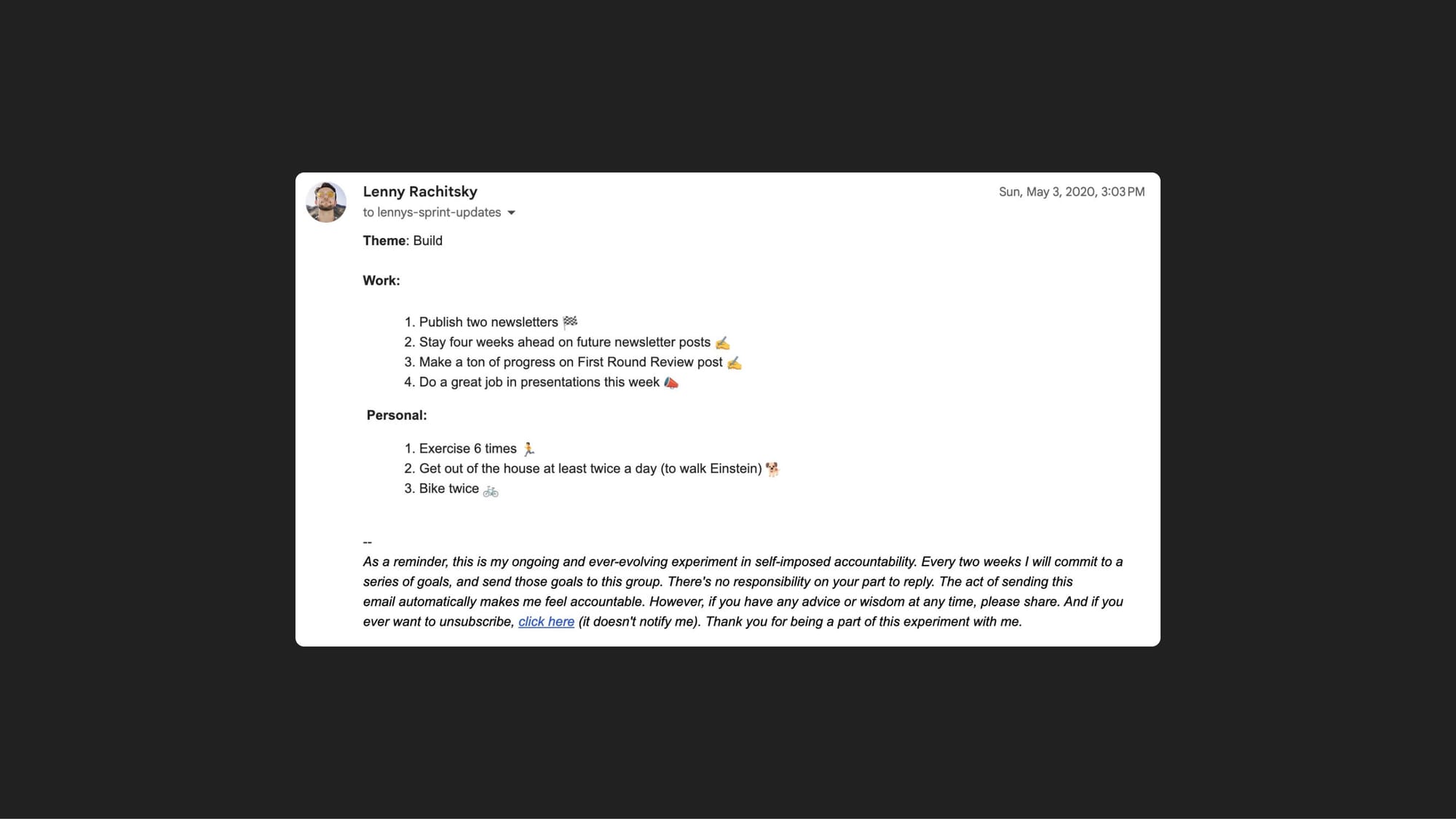
Here’s an email he sent to the board in 2019:
Theme for this sprint: Writing
I'm finding a surprisingly positive reaction to the content I've been sharing, both on Medium and on Twitter, so this week I'm going to lean into it a bit more to see where it takes me. I have no plans to do writing full-time (please slap me if I ever say I do), and I still absolutely want to start a company, but I'm finding that the value I've gotten from this investment has been super high ROI and I want to see where it goes. I'm also leveraging a life philosophy of mine, "Create value, and good things will happen." We shall see. Next week though I'm planning to get back into deep startup exploration mode.
“I told them they didn’t have to do anything or respond. The email alone created my accountability,” says Rachitsky. At an exploratory time meant to be free of commitments, Rachitsky began making them to himself.
Plan A was starting a company. Plan B was advising companies. Plan C was joining a startup. Plan D was joining a big company. Writing full time wasn’t even in the alphabet of plans, but Rachitsky found it while exploring Plan A.
“My approach to writing was to ask myself what I’ve learned about starting companies over my career. So I started writing down some things and focused on my Airbnb experience first,” he says. “How cliche. Write about your tech experience as a Medium post.”
That became his first piece: “What Seven Years At Airbnb Taught Me About Building a Business.”
This was in 2019. It landed on the front page of Medium, catching the eye of co-founder and CEO of Airbnb, Brian Chesky, who shared it with the whole company. “It ended up being so incredibly successful that I started feeling like maybe I had more things I could share with people,” Rachitsky says. His first handful of posts were: “A Three-Step Framework For Solving Problems,” “What Buddhism Taught Me About Product Management” and “How To Get Into Product Management (And Thrive).”
Rachitsky published seven Medium posts between April 2019 and February 2020, what he calls a period of “tinkering and writing.” During this time, he decided to move all his content over to Substack in the company’s early days, upon recommendation from Substack investor Andrew Chen.
Hamish McKenzie, co-founder at Substack, says Rachitsky was skeptical at first: “We saw he was posting great essays on Medium and generating a ton of interest. We thought he could really succeed with the Substack model — you can get the emails of people who care deeply about what you’re doing and one day you might want to turn on paid subscriptions,” says McKenzie. “The response was immediate.”
He has become the poster child for what’s possible on Substack. - Hamish McKenzie, co-founder at Substack
“It shows when someone really treats their readership as the primary customer and has a direct relationship with them,” McKenzie continues.
He called this period of his life “Project: Avoid Getting a Real Job.” He spent the next 10 months writing 40 free newsletters on his Substack. He didn’t miss a week — death, taxes and a Lenny’s Newsletter in your inbox every seven days. A quiet, introverted guy, sitting alone on a laptop, putting out things on the internet, trying to show people what he could do.
Growth was surprisingly consistent in the early days.
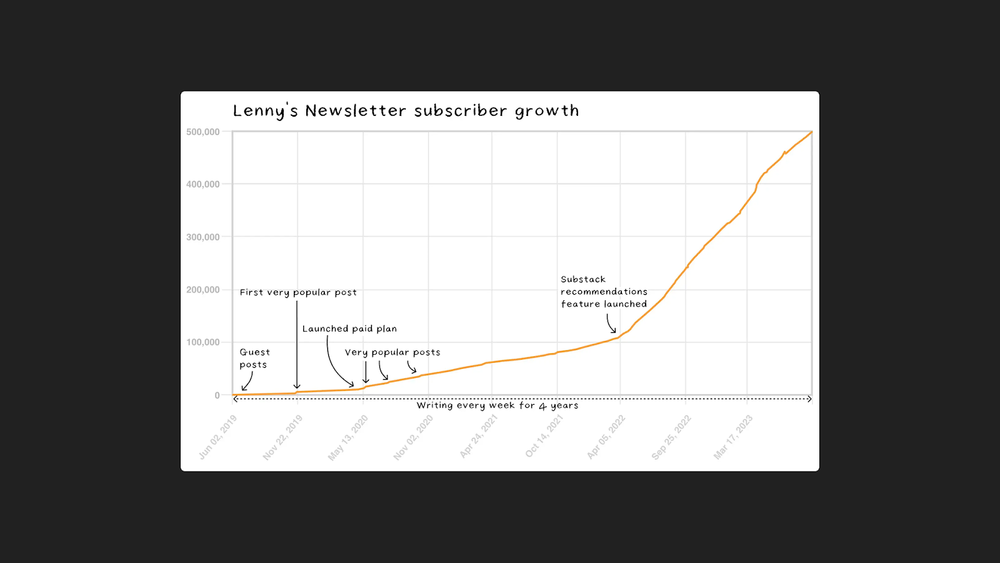
To increase readership, he tried some things that worked: guestposting on Andrew Chen’s blog and right here on the First Round Review, in one of our favorite articles about performance reviews back in 2019. Others growth tactics didn’t work: like paid growth. “Running Facebook or X ads are worthless. The amount of growth that comes from word of mouth dwarfs ads. Even if it’s ROI positive, the numbers it drives are meaningless,” he says.
Then COVID hit. Rachitsky says that he thought Airbnb was dead and his life savings were going to be worthless. Maybe charging for his burgeoning Substack would actually make money. At this point, 10 months in, he felt like he had gained significant momentum, enjoyed the work enough and still had a large bank of ideas to tap into. “It’s the Lindy effect,” he says. “Something can live as long as its current age. I figured I could do this for at least another 10 months.”
So he introduced a paid subscription for $15. “That was more than Netflix. How was I going to convince anyone to pay $15 a month for this newsletter?” he says. He added access to a private Slack community. He hand-picked the first 30 members (those who were most active with his newsletter, commenting and replying to emails), made sure everyone had a profile picture and personally pinged people to answer questions he knew they had expertise on. Rachitsky was in the community heavily, creating the rhythm and etiquette for how to operate with a high signal-to-noise ratio. “For example, one of the best things I did was create a channel just to #promote-your-stuff, to contain the self-promotion that occurs within these sorts of online communities. Everywhere else, you can’t self-promote,” he says.
Rachitsky’s original goal was to make $100,000 per year from the newsletter. After 10 months of a free newsletter and six weeks of paid, he had ~13K free subs, ~450 paid subs and ~$56K in ARR. His next goal was to make his Airbnb salary and he hit that. And it just kept going. And going, and going.
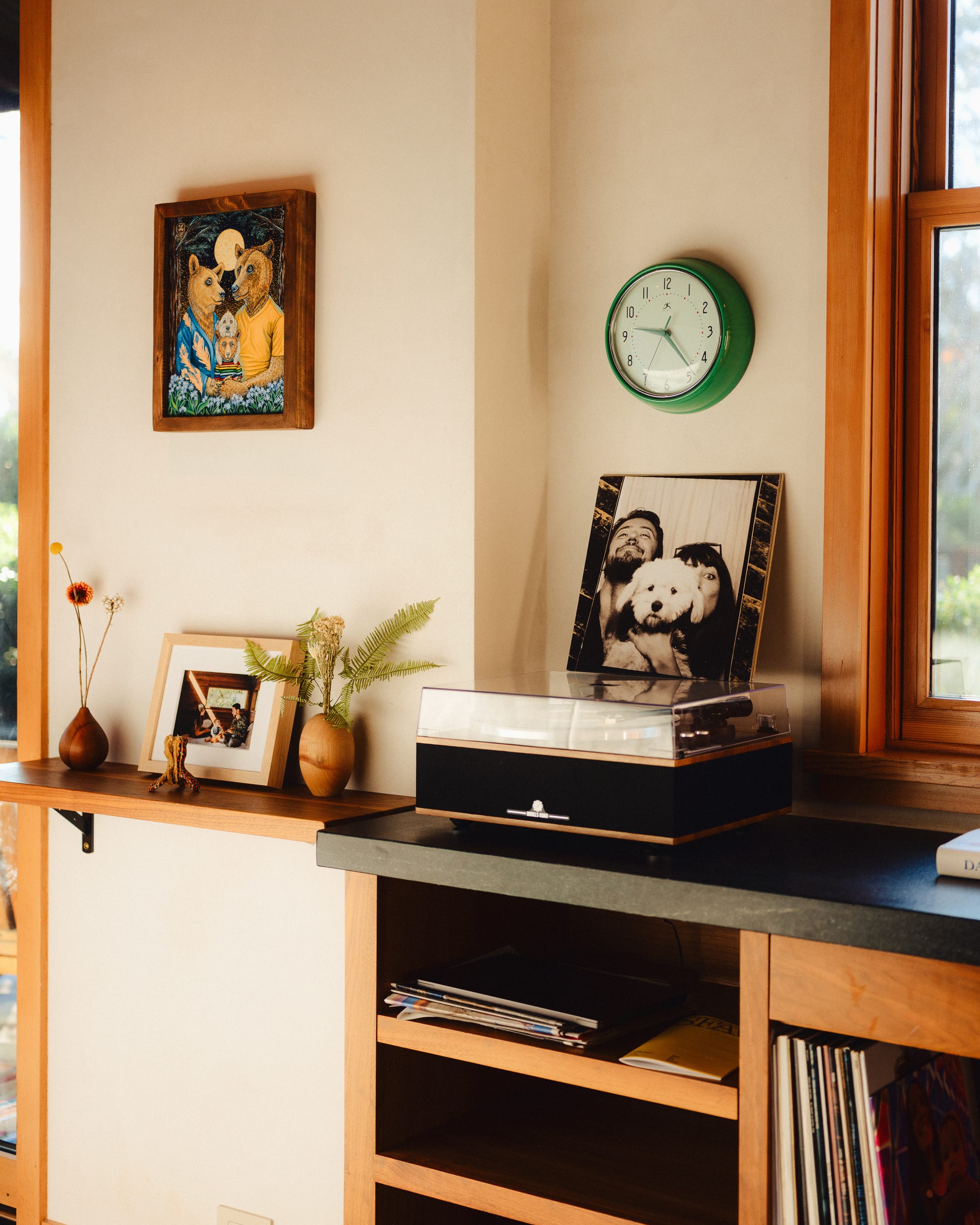
“He’s really good at gifts,” says Rial, while we’re sitting on the couch with Einstein. “He’ll do really custom gifts. He commissioned a lettering artist, who I love, to create a print of a quote my dad used to say all the time.”
“Did he tell you about the record?” she asks.
Rachitsky had pointed it out on the shelf earlier. “Michelle used to sing all these funny little made up songs about our dog, so I hired a professional musician to turn them into epic songs with full arrangements,” Rachitsky says. “And on the b-side it’s just sounds of Einstein eating and drinking.”
But she tells me what’s maybe the most revealing thing about Rachitsky: “He flosses every night. And he uses a water pick during his morning shower. It represents who he is because of the consistency it takes,” she says. “Every night is one thing. But every morning, too? Who does that?”
Everything he does gets the same level of attention.
A never-ending obsession with quality (which creates value)
For years, Rachitsky didn’t miss a single week of newsletters. He says the hardest parts were coming up with something interesting to write about every week, not taking a single week off and putting his work out into the world not knowing if a lot of people would read it.
But it was important as he monetized. He used to always tell people that the key to success was “quality and consistency.” But he’s since changed his mind about this: “I’ve come to realize quality is actually the only thing that matters. That’s part of the reason why Substack is so good, because it lets you just write and not worry about any of the infrastructure like a website or backend.”
Spending time on anything that is not producing awesome content is not worth your time because growth from content that people love and want to share beats anything else you do. - Lenny Rachitsky
To him, quality is rooted in solving a problem for someone better than anyone else. He likes to think about this through the JTBD framework. For content, he says there are four jobs: keep you informed, help you make money, entertain you or help you get better at something you care about. His job is the last one. “Quality is solving someone’s problem better than anyone else. Well, maybe everyone else. You could be second or third best if the market is big enough,” he says.
If he thought something would compromise his focus on quality — even if lucrative — it wasn’t in his line of sight. Elena Verna, who runs growth at Lovable, tried to get Rachitsky to join Miro in 2020 while she was interim CMO. “We needed a Head of Product and I tried to get him to join, even if it was an interim position or just on contract. I told him it was the opportunity of a lifetime, that he’d make millions,” she says. “He said ‘No, thank you. I really want to focus on my newsletter and I’m not going to compromise it. I really want to see it through.’”
For Rachitsky, quality leads to value. “Value means something that can improve your work and life. Can you take the stuff I’m sharing and implement it in your actual work to be better at what you do? That’s what I always obsess over,” he says.
Value is also monetary. When I ask how much money he makes from his platform, he waits a moment before he politely declines, echoing a sentiment put forth by founder and advisor Lulu Cheng Meservey: “There’s this thermostat people have of how successful somebody should be. If they want you to be more successful, they help raise you up. If you’ve become successful, they bring you down,” he says. It’s clear where he thinks he is on the thermostat.
He spends an average of 10-15 hours on each newsletter, but the range is tectonically vast. Some newsletters take 100 hours to produce — like this one in 2019, “How to kickstart and scale a marketplace business,” which became an eight-part series. Putting that together took months, over dozens of interviews and hundreds of hours of work. He says he goes over a newsletter 50 times before it’s published, looking for anything that isn’t concrete or clear, re-reading them until he can’t find anything to improve any more.
A lot of Rachitsky’s early newsletters came from questions he was being asked on X, from founders or other PMs (he calls Lenny’s Newsletter an “advice column”). So when he introduced guest posts, that let him solve a key problem: expanding his ability to provide better, more thorough answers on topics he didn’t have expertise in.
Rachitsky says he loves doing them because he can help shape the best ideas from the best people. Editing a guest post takes longer than writing his own posts. Author and positioning expert April Dunford, who has written three guest posts for Lenny’s Newsletter, encapsulates the three-month process: many back-and-forths on ideas, structural changes from Rachitsky’s editor, creation of graphics and proofing. “People don’t understand how much time I spend editing,” says Rachitsky. “It’s not that they write the thing and we publish it. We spend months iterating on it. My goal with each post is for it to be the best thing that person has ever written.”
Tal Raviv is a former Wix and Patreon PM who’s working on his fourth guest post with Rachitsky. “Google Docs crashes because there are so many comments. But when you finish, it reminds me of the feeling of launching a product,” he says.
And as he continued to expand, no matter the surface, his standard remained the same.
Rachitsky has two rules. One he’s kept, another he’s broken many times.
The first is no full-time employees, hoping to avoid the drama that comes with management, which he’s done many times during his working career. He works with a handful of contractors (about 10) around the world, for the podcast, newsletter and community.
He’s broken the second rule many times. “I always said, I’ll never do a course, never do a conference, never do a podcast, never do a book. I’ve done all those except the book.”
In 2022, Rachitsky launched Lenny’s Podcast, three years after his newsletter. While he was reluctant — saying podcasts are very hard to share and grow organically — his advantage was already having a successful newsletter with baked in distribution and years of audience trust.
Because it felt scary to me, that told me it was a thing I should do. - Lenny Rachitsky
But once he said yes, he went in emphatically. Rachitsky obsessed over how to produce an extremely high-quality podcast before ever recording a single episode, gathering as much knowledge as possible by taking courses and reading books about lighting, studio setup and interviewing.
Even though the podcast is already at the top of many charts, Rachitsky’s desire to improve doesn’t wane. Rial gave him voice lessons as a gift, so he could improve his speaking presence. He practices them while learning the piano.
Initially, the goal was simple: become 100 people’s favorite podcast by hyper-focusing on what would help the audience of product people in their careers. “He gets all these CEOs and founders wanting to come on the podcast but says no to 98% of them. These are big CEOs and founders — Fortune 500 companies, multi-billion dollar companies,” says Jordan Bornstein, who runs Pen Name, the studio producing Lenny’s Podcast. “He feels that a lot of these people actually wouldn’t provide value for his specific audience.”
He added video to the audio-only podcast after only a couple months. Putting his face everywhere was another big leap for the shy and introverted Rachitsky. Bornstein said that if Rachitsky was going to invest time and resources into doing a podcast at all, the distribution from video would be worth it. “He was 1,000% right,” says Rachitsky. “YouTube’s distribution is unlike anything else I’ve seen. It’s the only place that drives new viewers outside of my newsletter.”
But you can’t distribute bad content. Everyone I talked to said at the core of what makes Lenny’s Podcast exceptional is his research.
“He really goes beyond just showing up and recording. He does the pre-work to make sure the audience — and the guest — gets a lot of value out of it,” says Claire Vo, a founder and product leader who hosts How I AI, a podcast in the “Lenny’s” network.
“Every single time I’ve recorded with him, Lenny has done such deep research on me, everything I’ve said, everything I’ve shared,” says Verna, who’s been on Lenny’s Podcast four times, more than any other guest. “He comes prepared to say, ‘Based on everything, this is where I think the questions from people are, this is where I think the direction is, this is where you need to dig in.’ He has a really strong, opinionated stance of what I need to focus on.”
Rachitsky says the podcast is much less work than the newsletter. “If I just had the podcast, what a dream. But the newsletter and the podcast work together. Having both is key.”
It starts by sending guests a series of questions that can help bubble up interesting topics. Rachitsky has never shared these publicly before, but here they are:
- What’s one thing you could share that would contribute something new to the conversation around building products, teams, companies, or how AI will change how we work?
- Is there anything you have a contrarian, potentially controversial, or very strong opinion about?
- What's the most counterintuitive lesson you've learned about building products or leading teams that goes against common startup wisdom?
- What's one thing you wish you had known before moving into your current (or most recent) role?
- Anything you haven't shared elsewhere that could be interesting to share in this forum?
- What's one pivotal moment in your career?
- Is there anything you've built that has been a massive failure?
- Are there any frameworks, methods, or processes you've found to be especially useful in your work that others may find useful?
- If this were to be the one podcast episode with you that you'd want to send everyone to who wants to understand how you think and operate, what would you want to include in that episode?
- Are there 2-3 topics you'd especially love to talk about?
- Who are 1-3 people I could ping to ask what I should ask you about?
Most guests take two hours of prep, but if there’s a lot of content for him to go through, it can take between 5-10 hours. A Manus prompt provides Rachitsky with background on the guest, like their best quotes or stories, what other questions they’re most frequently asked (so he can avoid those) and helps anticipate responses guests will have to his questions. He watches all their past interviews and reads their posts on socials, which takes the longest time.
LLMs help write questions in different styles, which he doesn’t use, but they bubble up interesting topics: “Come up with ten questions in the style of Charlie Rose. Give me ten questions in the style of Terry Gross. Give me ten questions in the style of Sean Evans — those are always super unexpected,” Rachitsky says. Everything then goes into a draft agenda for the podcast.
I don’t feel like I’m that smart and I don’t want to sit there and pontificate and share my insights. I’d rather hear the guest talk. - Lenny Rachitsky
"He wants to win. He wants to do things right. But it's done in a way that is so kind — I've never seen anything like it,” says Bornstein.
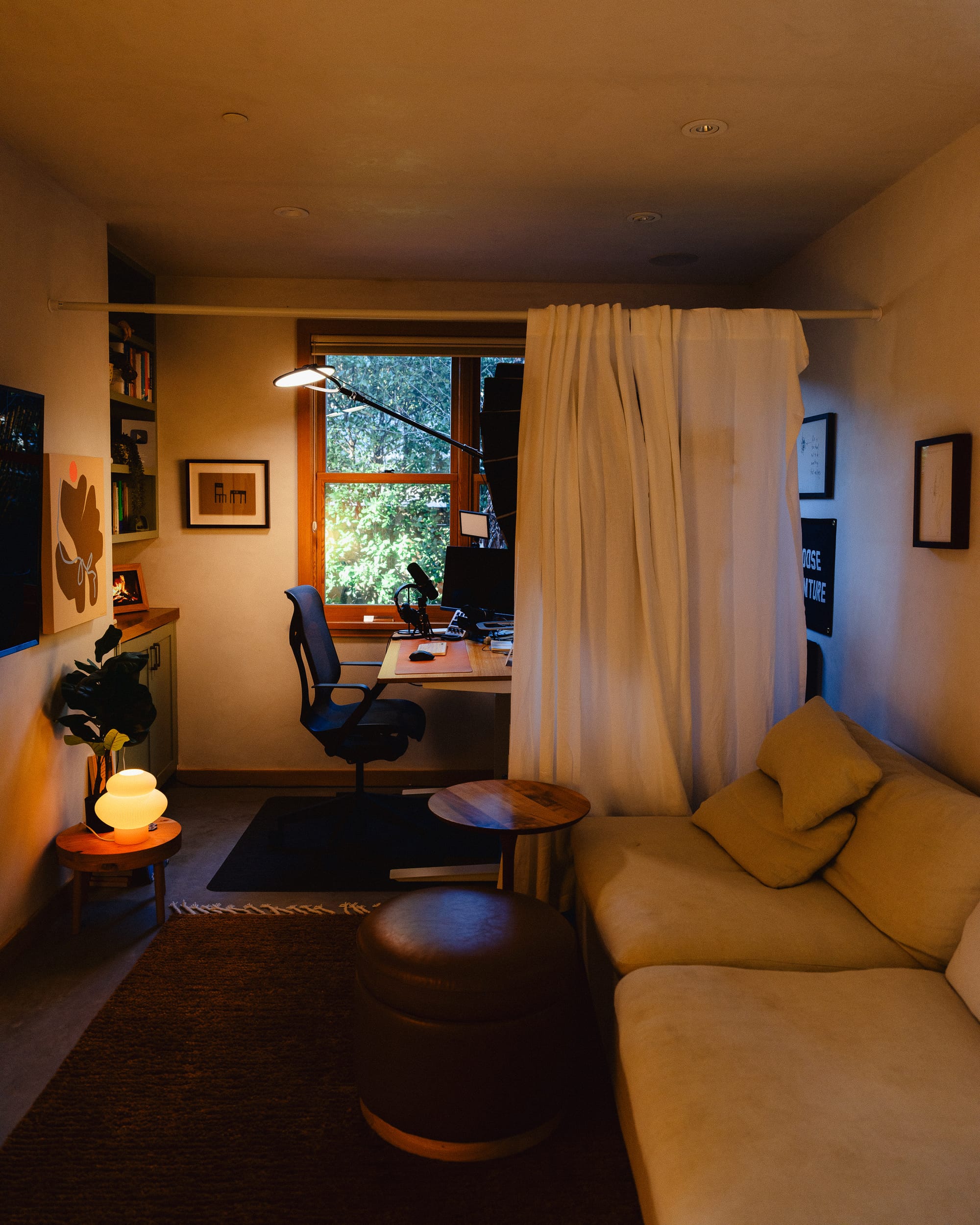
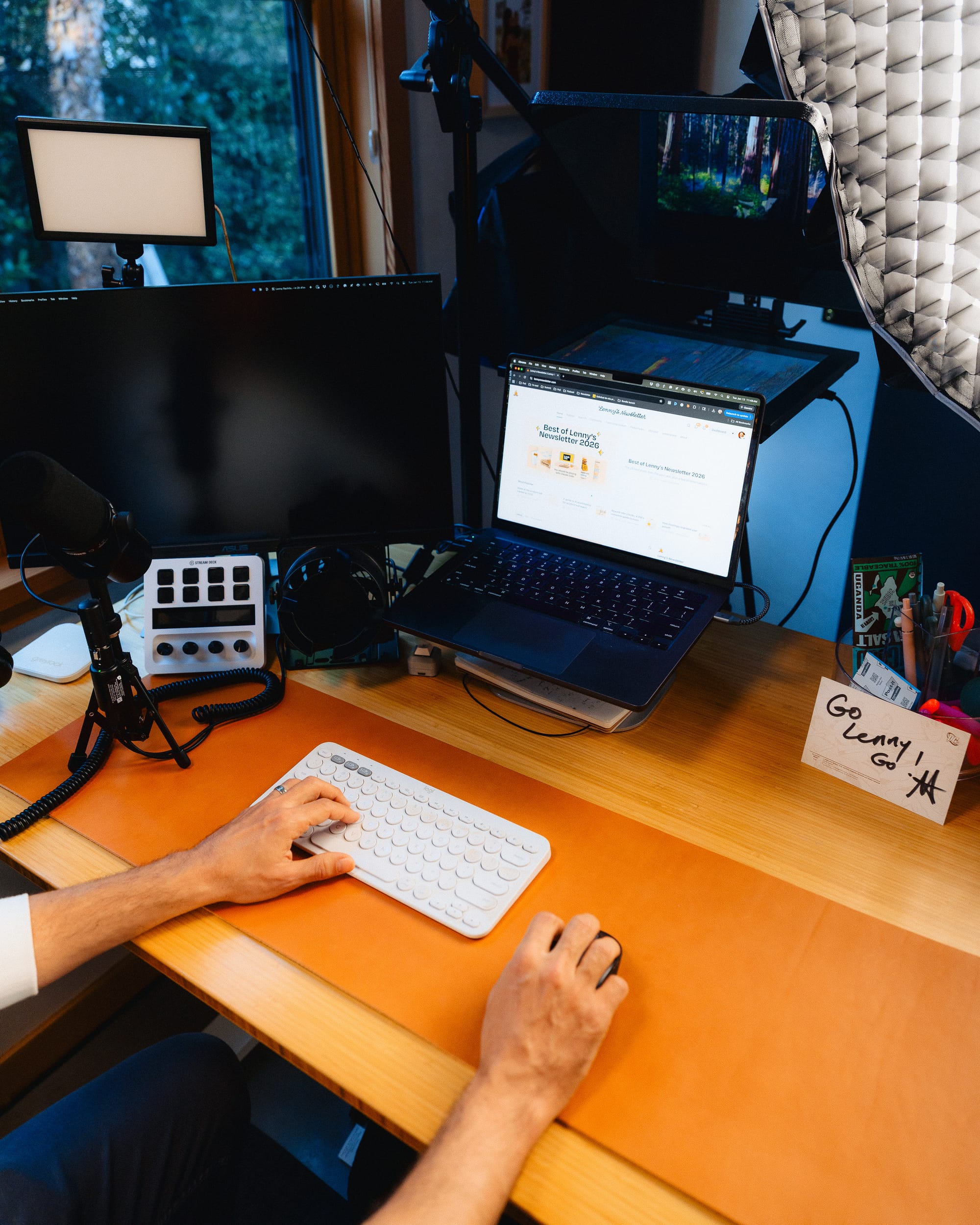
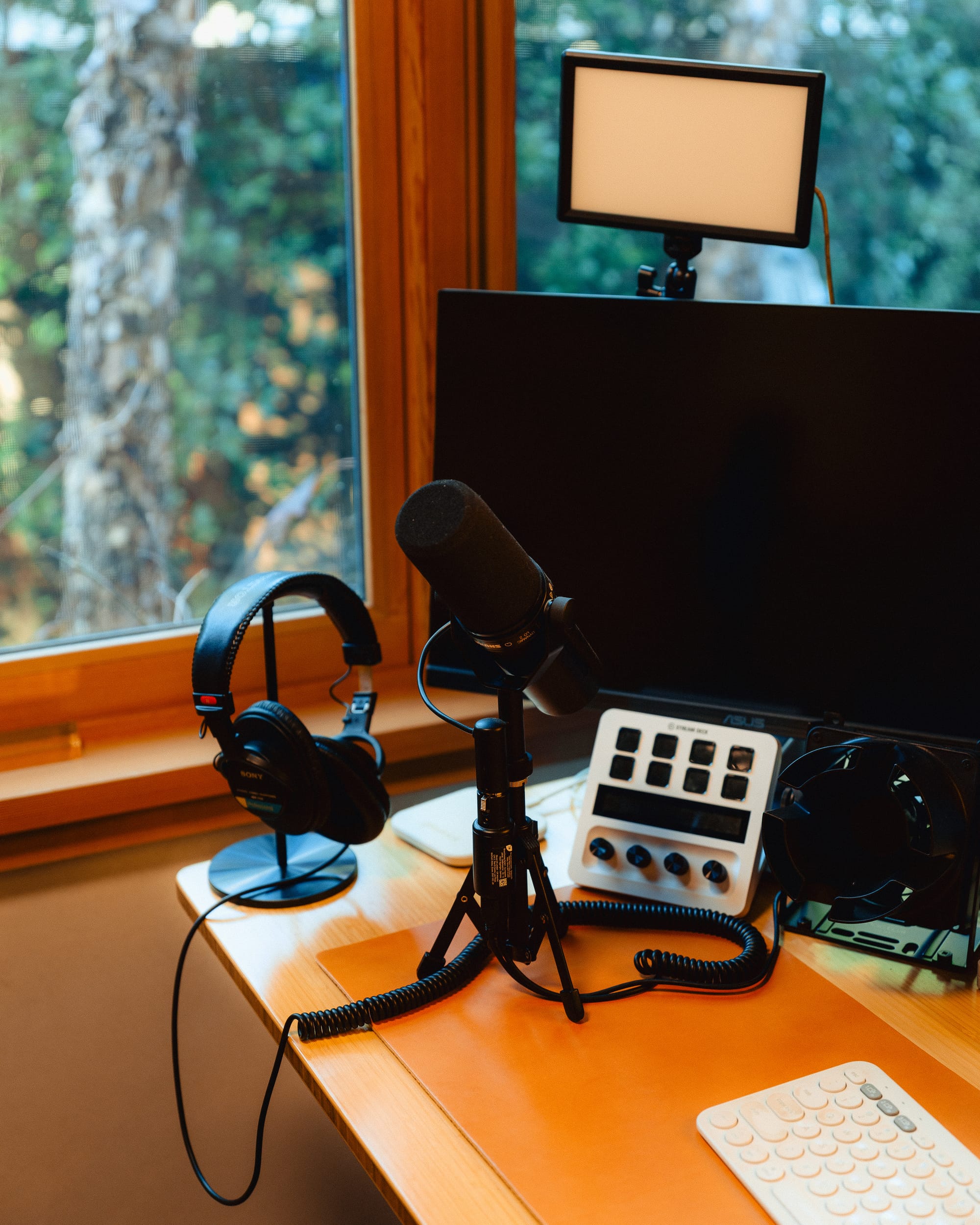
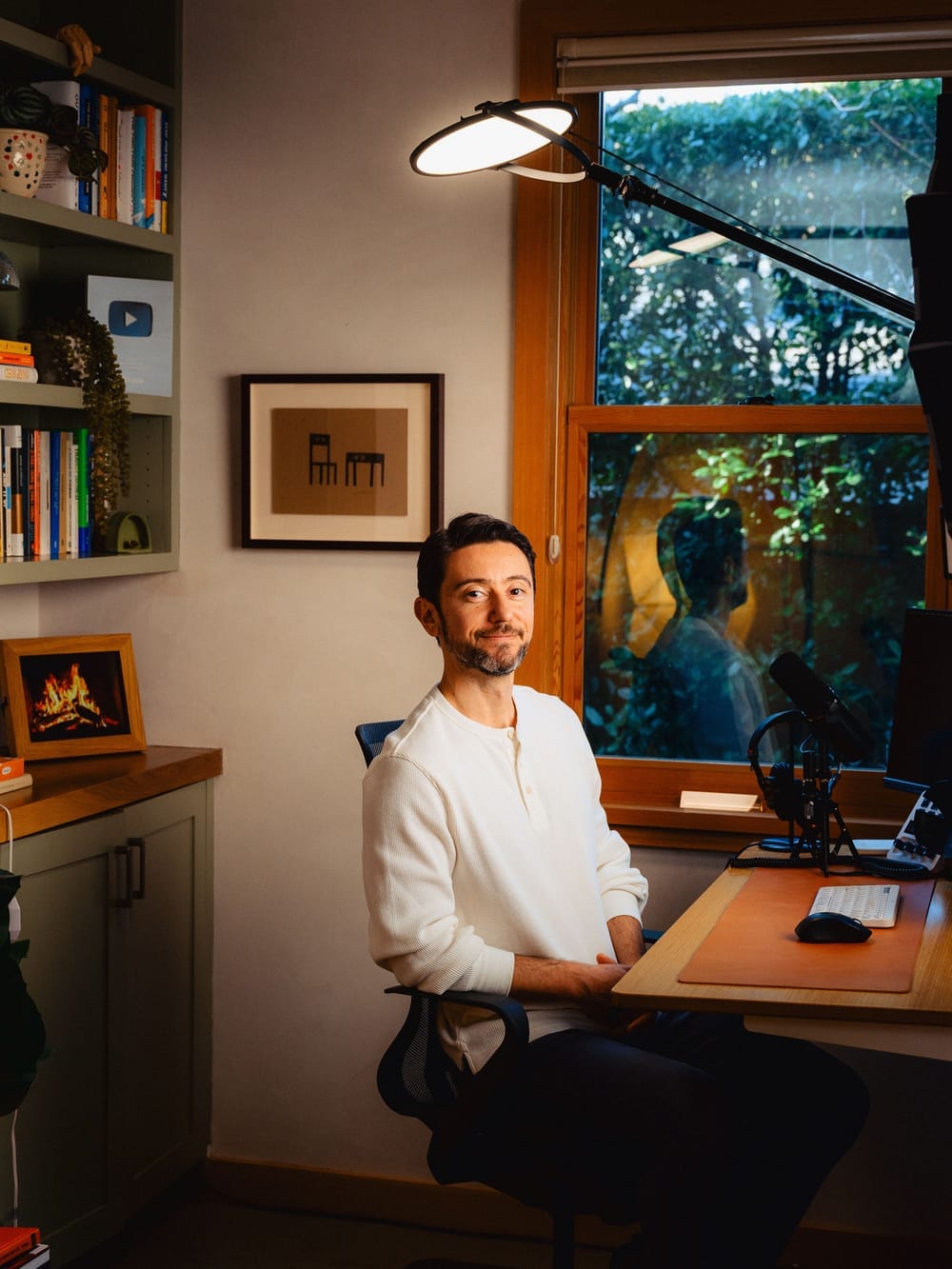
As Rachitsky walks me over to his podcast studio, he says, “It looks ridiculously small and stupid from the outside.” It is small, but very little about Rachitsky’s space strikes me as “stupid.” It’s just the opposite — very thoughtful and considered.
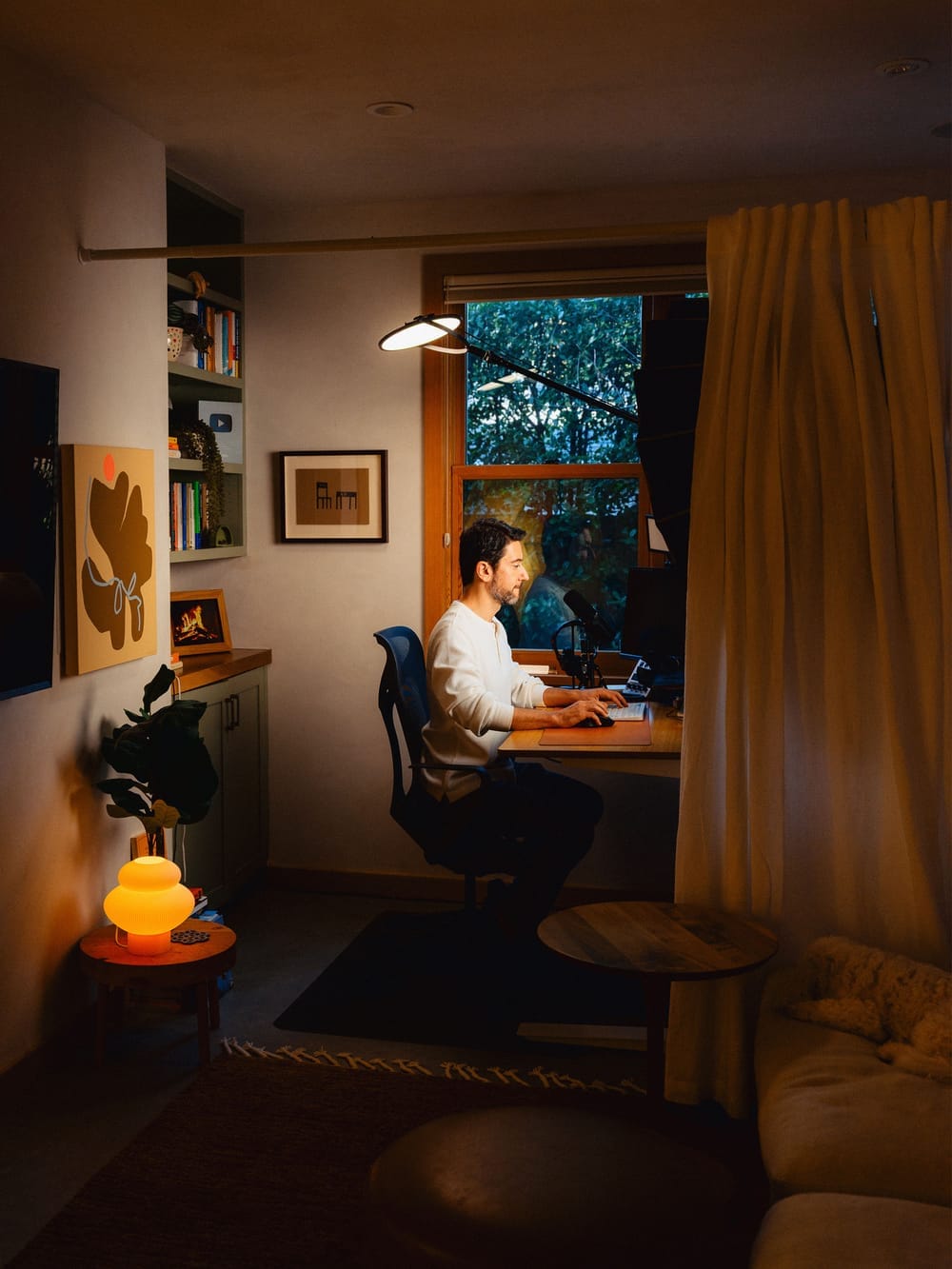
The actual footprint of the studio in his home is small, taking up a corner of an extra bedroom, separated from the space by a hanging curtain that, if it were drawn, would hide the fact that Rachitsky even has a podcast at all.
There are the things you’d expect a podcaster to have: a microphone and headphones, a clock to keep track of time, an audio mixer, a lightbox, a teleprompter. But then there are the things uniquely Rachitsky, artifacts of someone still trying to improve: a plaque that says “Have fun” and “Breathe,” a note to himself that says “Improve,” with bullets for “Push back more,” “Difficult parts / stories,” and “More IC folks.” There’s also a hand-written note from Seth Godin that says “Go Lenny Go!”
“I’ve always been such a huge fan of Seth Godin. For decades. He’s such a legend. When he came on my podcast, which was already crazy, and then sent me this note telling me how impressed he is with my work — wow, that meant so much to me,” Rachitsky says.
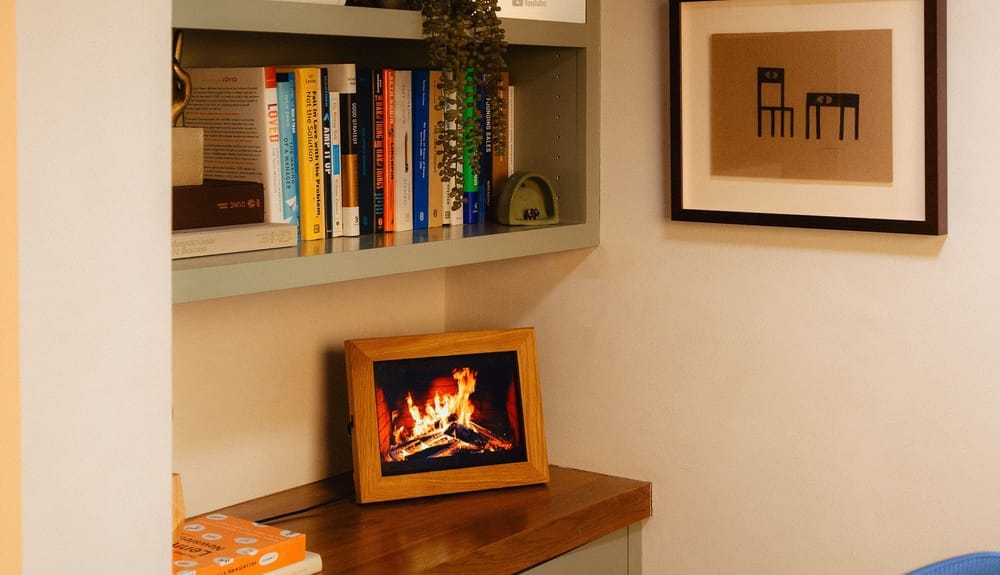
Rachitsky has moved the studio five times — from one house to another, through rentals and Airbnbs and even to convert the podcast room into a nursery. In every iteration, Rachitsky’s signature digital fireplace has persisted throughout. It started because of a pesky reflection: a mirror in the background of his first studio was reflecting random parts of his house or his podcast setup (you can see it over his right shoulder in his first video podcast and on a few episodes after). So he started positioning his laptop to catch the reflection and chose a fireplace to evoke the warm and cozy vibe. You can see how he first introduced the fireplace and a second iteration for how it evolved.
No space has ever bent to his studio, mirroring his approach to work and life.
Saying no to preserve time for the right yes
As subscribers and revenue grew, Rachitsky could’ve easily fallen into the trap of wanting to do more of what was making him successful. But he leaned in the opposite direction — being even more intentional and focused.
“A lot of people look at this creator life and are like, ‘Oh I want to do a podcast and a newsletter.’ They find something that people like but they don’t really love — but they do it anyway, because it’s going well, and then end up creating a job they hate,” he says. “So you have to be really careful staying in the middle of that Venn Diagram of things people value and things you actually enjoy and want to do for a long time. So I try to stay close to that, which is a lot of saying no.”
People are horrible at saying no because we have FOMO and want to chase opportunities. His ability and comfort with saying no is a big portion of his success. - Elena Verna
For example, it might’ve been a logical next step for Lenny’s Podcast to follow the trend of moving to in-person, commercial-grade production setups. But he’s made the deliberate and practical choice to keep the podcast virtual only. “It’s mostly so I don’t have to go anywhere,” says Rachitsky. “I can have some tea, go right in my studio and start filming. It’s intent on creating a chill, calm experience. I want to avoid that moment of, ‘Here we go, it’s showtime!’”
Preserving his time has become something of a survival mechanism.
“If I said yes to this thing, there are 20 other versions of that thing I’d have to say yes to,” he says. It almost sounds apologetic, like he knows he might be letting people down. “It’s mostly just the volume. Saying no kindly is work.”
So he automated some of that kindness by creating templates as email snippets for different ways to say no to the things he frequently gets asked to do, like events, partnerships and content requests — even if it seems small, these requests can add up, sapping focus. He gets about 200 requests per week and respectfully declines 99.9%. The most difficult things for Rachitsky to say no to are the events or parties that would positively impact his work, connecting him with interesting people or generating ideas.
It’s telling to look at Rachitsky’s nos in the context of his yeses. The nos feel like papercuts, small things that can compound and negatively impact focus day-to-day or week-to-week. Yeses seem like they’re viewed on a time horizon of months or years in terms of what they bring to his audience.
In 2024 he hosted the Lenny and Friends Summit — an event for senior product leaders where CPOs from OpenAI, Anthropic, Netflix and Figma discuss tactics for building and growing a product, hiring and managing and much more. Rachitsky says he heard “how impactful the experience was” for attendees and that it was “one of the most meaningful days of his life.” If you missed the summit in 2024, you may have another chance to attend one later this year.
“He's really intentional about where he spends his time and how he scales out the business, community and network,” says Vo.
In 2025, he introduced “How I AI,” hosted by Vo, to Lenny’s Podcast. She says he couldn’t be its creator and actually auditioned people to host. "His community needed hands-on AI content, and he understood the highest leverage thing he could do was find someone he trusts to deliver it. He creates leverage by giving experts a platform," she says.
Later in 2025, Rachitsky added Lenny’s Product Pass: paid annual subscribers get one year free of 20+ tools like Gamma, Manus, Lovable, Linear, Replit and more. “Oh my god, it’s the smartest thing I’ve ever done,” he says.
Perplexity first approached Rachitsky a few years ago, offering Perplexity Pro to his paid subscribers. When it launched, he says it was the biggest growth day in the history of his newsletter. “The best part about the bundle is that it’s a win-win-win. Win for subscribers, win for companies, win for me. It’s such a rare and great thing to have done,” he says.
Everything he’s added to the “Lenny’s” world suggests Rachitsky has an unspoken rule he strictly adheres to: if his audience will get value from it, can he or someone else do it at the level he demands? If the answer is yes, he’ll find a way.
“My main priority is just using this time and freedom that I have to help people be better at achieving their career or life goals,” Rachitsky says.
But do those yeses actually conflict with his goal of having a chill life? Where’s that line? The contradiction again surfaces.
Rachitsky has begun reducing the frequency of his newsletter in an effort to rebalance work and life — going from a reliable four written newsletters per month to somewhere between two and four per month. He says his audience actually appreciates it, because many of them can’t keep up with all he’s producing.
For someone as obsessed with consistently delivering on his promise to his audience, that’s a scary prospect. “I worry that I’m not giving people enough value. I never felt like I could take a week off. I kept thinking, ‘No people will cancel,’” he says. “I had to invent a PTO policy for myself: four weeks off over the course of the year to refresh.”
Later in the morning of our interview, it’s gotten a bit warmer, and I’m looking out the door we’ve opened to the back yard. A Buddha fountain gurgles and a windchime rings in the breeze. When I turn around, the photographer has asked Rachitsky to do what he’d normally do. He sits in the Eames chair, puts headphones over his ears and starts typing on the computer. When we’re done with the shot, he says the time was actually very useful to him and he was able to get a few things done.
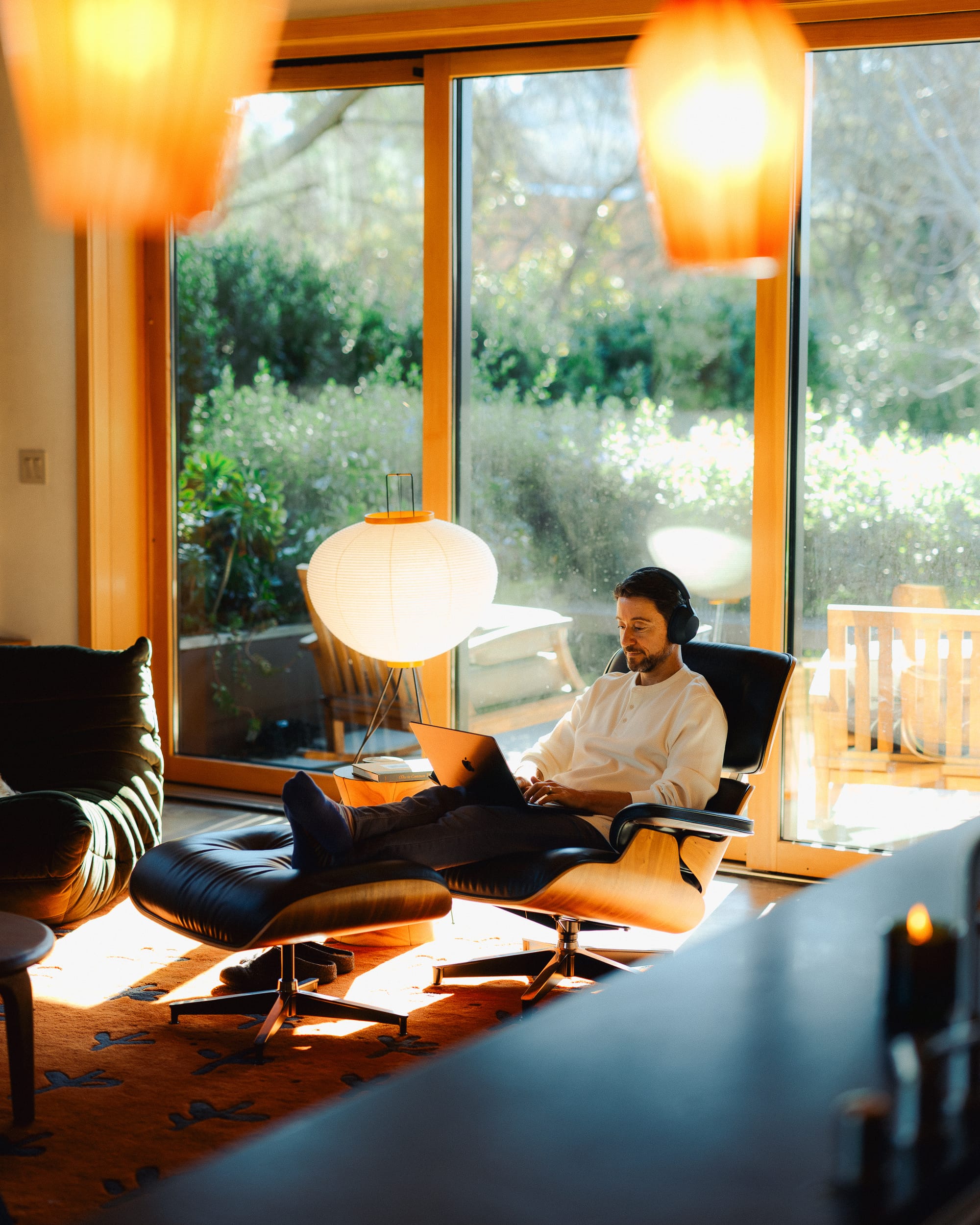

To Rachitsky, “chill” is an extremely demanding discipline. His life requires the kind of focus most people would find exhausting, not relaxing.
This reminds me of something Rachitsky said earlier in the conversation: “It’s hard to work for yourself when your boss is a workaholic.”
Maybe he’s saying no for another reason.
It feels dubious when Rachitsky says he’s never regretted saying no to anything. But the more he talks about the importance of focus to produce high-quality work, it appears as though he doesn’t spend much time looking at his life’s rearview mirror. Even if he did regret saying no to something, the road ahead doesn’t let him dwell on it very long.
“I think it’s important now that I’ve been out of the product management work for about six years. I need to find ways to stay grounded and not turn into some talking head in the clouds pontificating on things without actual experience,” Rachitsky says. He chooses his words so carefully here that I can tell it’s something he’s sensitive about. Rachitsky has always been able to lean on this work experience — whether that’s his first-hand knowledge of a topic or pulling the best information out of a guest. And with so much changing, he’s worried about his ability to keep up.
I’m very afraid of moving into a place of just talking about things that aren’t real and just sound true, but aren’t true at all.
- Lenny Rachitsky
Specifically, this means carving out space to explore and tinker. Rachitsky tries to make sure he still has the muscle memory for building — whether it’s a list of ways to use Claude Code or vibe-coding a soundboard of his toddler’s favorite words. Using Codex, he recently vibe-coded an app that has his entire newsletter archive and podcast transcripts as AI-friendly Markdown files, plus an MCP server and GitHub repo. To make sure he knows what’s going on in the PM world, Rachitsky consistently talks to PMs who are on the cutting edge, and even is part of many private WhatsApp groups and email lists with product and tech leaders. Plus, he’s basically a full-time researcher for his newsletter and podcast. Getting this type of knowledge is actually the main reason he attends any events at all, which he generally avoids.
“Everyone who’s a PM on the ground who ends up being good at creating content, their dream is to move out of the product world and into podcasting or whatever I am,” he says. “But you realize once you’re in this world, you have to tap into the experience you had working a regular job for the rest of your life. You run out of advice or insights or lessons to share. So my advice to people exploring this path is to spend more time doing the work, to build more experience, so you don’t run out.” Rachitsky realizes his PM experience was a depreciating asset. Eventually, he won’t be able to use it any more, or at least in the same way.
No end in sight
Rachitsky ended up building exactly what he wanted. But he doesn’t know how to stop.
“I never have had any real vision or goal. I had a few financial milestones, and then I hit those, and I kind of just wanted to see where this thing will go,” he says. “The big question on my mind is just how this story ends. I don’t know. I don’t know the off-ramp for this life, I don’t know how I retire from this thing. I don’t think anyone’s really figured this out.”
It’s an honest answer from someone who set out to avoid a real job and built something much more demanding and entirely his own. He seemed to have two goals that were in tension with each other. One was the chill life — no boss, no commute, no meetings before 3pm, ultimate control over his own time. The other was to make something valuable — requiring 100-hour newsletters, months of editing posts, weeks of podcast prep and obsessive curation. But what I believe Rachitsky learned is you can’t have one without the other. The chill life made the quality possible. The quality made the chill life sustainable.
There will always be more newsletters to write, more guest posts to edit, more podcast episodes to record, more products popping up that he’ll want to include in his Product Pass, more sponsors that want to pay him, more, more, more, if he wants it, there will be more.
I think the most important person Rachitsky will have to say no to is himself. But I agree with Rial — he seems to figure it out.