
The morning I signed my Clay offer letter, I shut my laptop in defeat. When the last startup I worked at had shut down almost a year prior, I thought I’d go all-in on cultural journalism and filmmaking. Instead, I was joining a ten-person B2B data company to write about cold email. I told a friend not to be surprised if I left in a month.
Three years later, I’m still here — and the job I feared regretting became one that I love.
When I joined, Clay was a simple spreadsheet tool; now it’s a major AI company. We’ve grown from 10 to 400 employees, $1M to $100M in ARR, and $50M to $5B in valuation, while hosting weekly DJ Fridays and annual Bring Your Parents To Work Days. My work, which started as writing outbound email guides, evolved into shaping Clay’s major narrative moments: from popularizing go-to-market engineering to now building a video journalism arm.
This is the story of how Clay and I bet on each other, through a virtuous loop that helps companies create irreplicable work:
- Talented people lean into their spikes: I was always gifted at narrative work, but spent years optimizing for roles with more status and pay. When I followed my natural energy, I had more impact and fun.
- The company shapes roles around them: Co-founders Kareem Amin and Varun Anand saw my strengths clearly and pushed me to double down on them. Instead of forcing people into predefined job norms, Clay shapes roles, pay, and titles around what people are actually best at.
- Irreplicable work emerges: Spiky talent plus structural backing creates unique work. My strengths and Clay’s willingness to amplify them manifested things that didn’t exist before, like GTM engineering. We said what we believed clearly, and the world rallied around it.
- That draws in more spiky talent: People see what's happening at Clay and want to be part of it. New people join Clay, trust that they can be themselves at work (often for the first time in their careers), do unique work, and the loop begins again.
Clay gives people an environment that rewards their full expression, and reaps, in return, the rewards of a singularly brilliant team. I came in skeptical of the product, audience, and role, but I found a culture that fit — and together we have co-created work that no one else could do.
Reluctant beginnings
I’ve always had a love of learning, a knack for connecting with people, a talent for writing, and a fierce independent streak. I grew up on the outskirts of NYC, traveled the world while studying philosophy at Princeton, and dreamed of following in the footsteps of Werner Herzog, Jhumpa Lahiri, and Anthony Bourdain.
Coming from a first-generation immigrant household, however, the push was to earn well and figure out the rest later. After graduation, I took a job at an old-school investment fund and quickly grew miserable at the spreadsheet busywork and intense hierarchy.
It was while trying to escape that job that I met Varun at my college best friend’s wedding in 2019. He’d just left Jigsaw, Google’s technology think tank, full of strong opinions about corporate bureaucracy. He was intense but kind — 6'4" with a giant bear hug and an even bigger personality — and I wasn't sure what to make of him. We kept in touch as we each went on to roles at different startups.
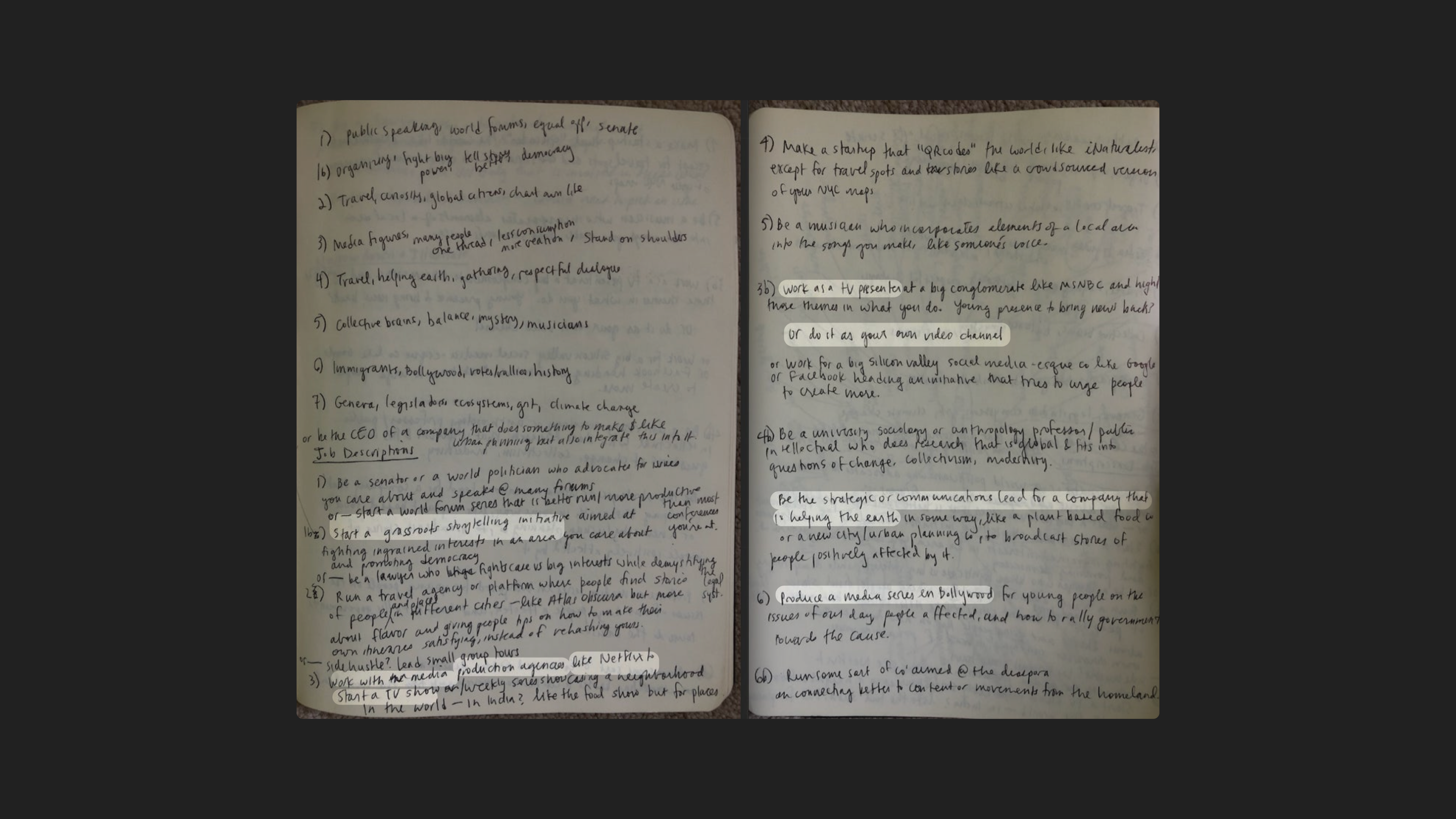
By the time my first startup job ended two years later, I was living in a footloose tech scene in SF. Everyone around me was going rogue and betting on themselves, and I was considering the same: writing full-time, starting a media studio, or founding my own company. Joining another company, unless it was an AI frontier lab, felt like the least imaginative thing I could do.
On a blustery January evening in 2023, I walked into Breads Bakery in Union Square to catch up with Varun. The last time we’d talked on the phone he was considering starting a pickleball company, which he’d later shelved to join Clay. As soon as Varun heard I had time, he proposed I do some contract work.
“Sure,” I said, “send me a message,” expecting him to never follow up.
“No, let’s figure it out now,” he said, whipping out his phone and handing me an AirPod, which I tried not to think about too much before placing into my ear. He called Eric Nowoslawski, an in-house expert who later left Clay and became our first agency owner to hit $1M ARR. I was at the office — a bricky studio loft in Williamsburg — the next day, 24 hours before my flight back to SF.
At the time, in early 2023, Clay had about ten employees, a minimal website, and no AI features. The product was a spreadsheet-interface tool that outbound email agencies used to access multiple databases in one place. My job was to talk to these agency owners, like Eric, and turn what I learned into guides to help our product spread.
I showed up in a silk button down; everyone else was in a sweatshirt and jeans. I met Kareem, the CEO, walking in and out of call booths in his iconic yellow sweater. He seemed more grounded and arts-oriented than most founders I knew, and I texted Varun afterward that he’d felt like a kindred spirit.
I finished my first piece in an hour at the office, and Varun was so shocked that he got me on a $10k retainer. My first playbook, Smart B2B Prospecting: A Complete Guide, was published on a Notion site and made its rounds around popular sales WhatsApp groups. (Much of the fundamental advice in the guide still applies, though AI made many of our early personalizations table stakes.)
Not once, in the early months, did I consider actually joining Clay, let alone moving to New York. What I didn't realize was that Varun had probably already decided I would.
He was the main reason Clay hired so well and fast early on, and he still works the same way: he finds people that spike at something, gets them in a room as fast as possible, and has already intuited where they might fit by the time they sit down.
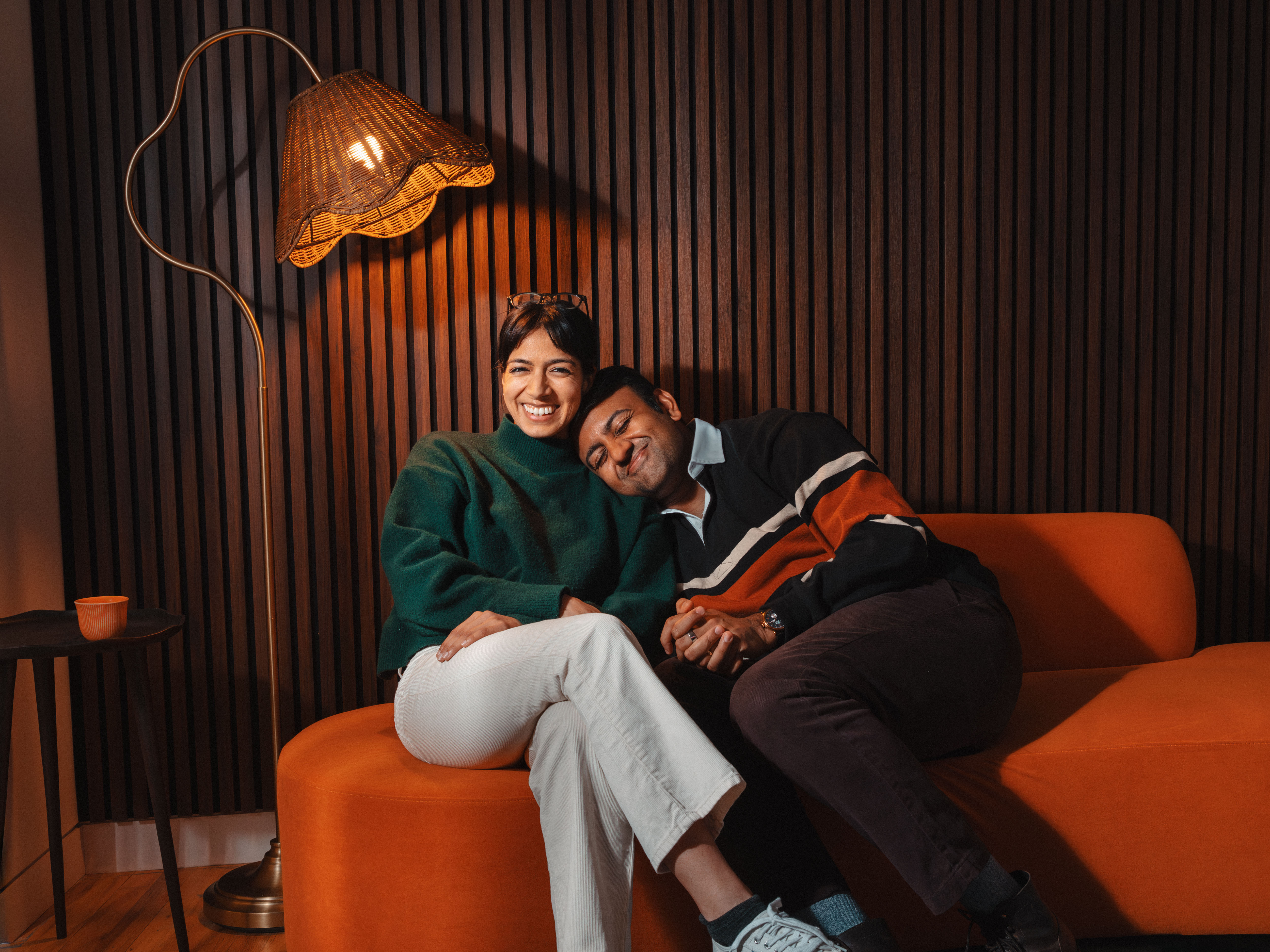
When a first meeting didn't close someone, persistence took over. For the next six months, Varun called me every week. He’d invariably ask me to join full-time, and I'd say no, again and again. By the summer, I was worn down enough to ask what Clay would actually offer. That's when things got complicated.
I had three problems with joining Clay, and none of them were easy to talk myself out of:
- Content wasn’t a sexy role: If I was going to work at another startup, I wanted it to be the most ambitious and rewarding work possible, which usually meant product or growth — and definitely not content. Writing was the part of myself I cared about most, and I was saving it for my personal projects. Doing it for a B2B sales tool felt like spending my best creative energy on a job that wouldn’t value it. We ended up benchmarking my compensation to an early PM role, with a six-month bump, which helped financially but didn't resolve my deeper worry: that nobody at Clay really saw me and I'd get pigeonholed into a low-impact corner.
- Clay was tackling a “boring” topic: At the time, Clay was a B2B data tool mostly used by cold emailers — not exactly a dinner party conversation starter. I couldn't figure out how to square what I actually cared about with what I'd be working on every day. The brand, people, and product vision weren’t publicly developed yet, leaving me with a mild concern that I was wasting my life force helping email spammers.
- The opportunity cost was high: It was the summer of 2023, the AI moment was accelerating, and I knew I had options, whether starting something new or joining a frontier lab. The week I was negotiating my Clay offer, the entire OpenAI leadership team had read a cold email I’d sent Greg Brockman pitching an AI media studio. Dropping that lead was risky: Clay had existed for six years before I joined and had only just started to gain traction. My honest expectation was that it would be a chill job, my equity would multiply by some modest amount, and we'd get acquired by Hubspot or Salesforce.
What opened me to the offer was spending more time with Kareem. He listened to my concerns without trying to talk me out of any of them. Where Varun may have debated me into the ground, Kareem just made me feel like we were the same kind of person. I got the sense that he, too, was a creative guy who was surprised he’d ended up working on a B2B tool, and that it definitely did not define his personality. He reframed work as a thing you do, not a thing you are.
When I told him I worried I was taking the easy way out, he said, in classic koan style, that the easy path was sometimes the hardest to choose. He made the role feel flexible and the decision feel reversible. “You can just try it out,” he said. “No hard feelings if you want to leave in a few months.”
Kareem and Varun continue to be the perfect foils. They are equally kind, deep, and competitive but present very differently: Varun pushes, runs hot, moves fast, sweats the details, and can get obsessed with a particular problem or person. Kareem is more airy, philosophical, and often gives space when you expect direction. On a fundraise announcement morning, Varun is editing commas at midnight and in the conference room at 7AM; Kareem has to be mildly bullied into reading the materials and rolls in well after press is live.
Varun’s persistence kept the door open; Kareem made it safe enough to walk through. After much deliberation, I agreed to join. I had one condition: I’d start in NYC, then return to SF. They said yes.
So I moved forward. But not with my whole heart.
The spirit of early Clay
I fell for the people and the place before I fell for the work.
Our office was a shoes-off apartment with a laundry machine, a wobbly bathroom lock, and a long wooden table where we ate lunch together. On my first day, I was handed a copy of All About Love by bell hooks, given a credit card, and told to go to the Apple store on Bedford Avenue to pick out a laptop.
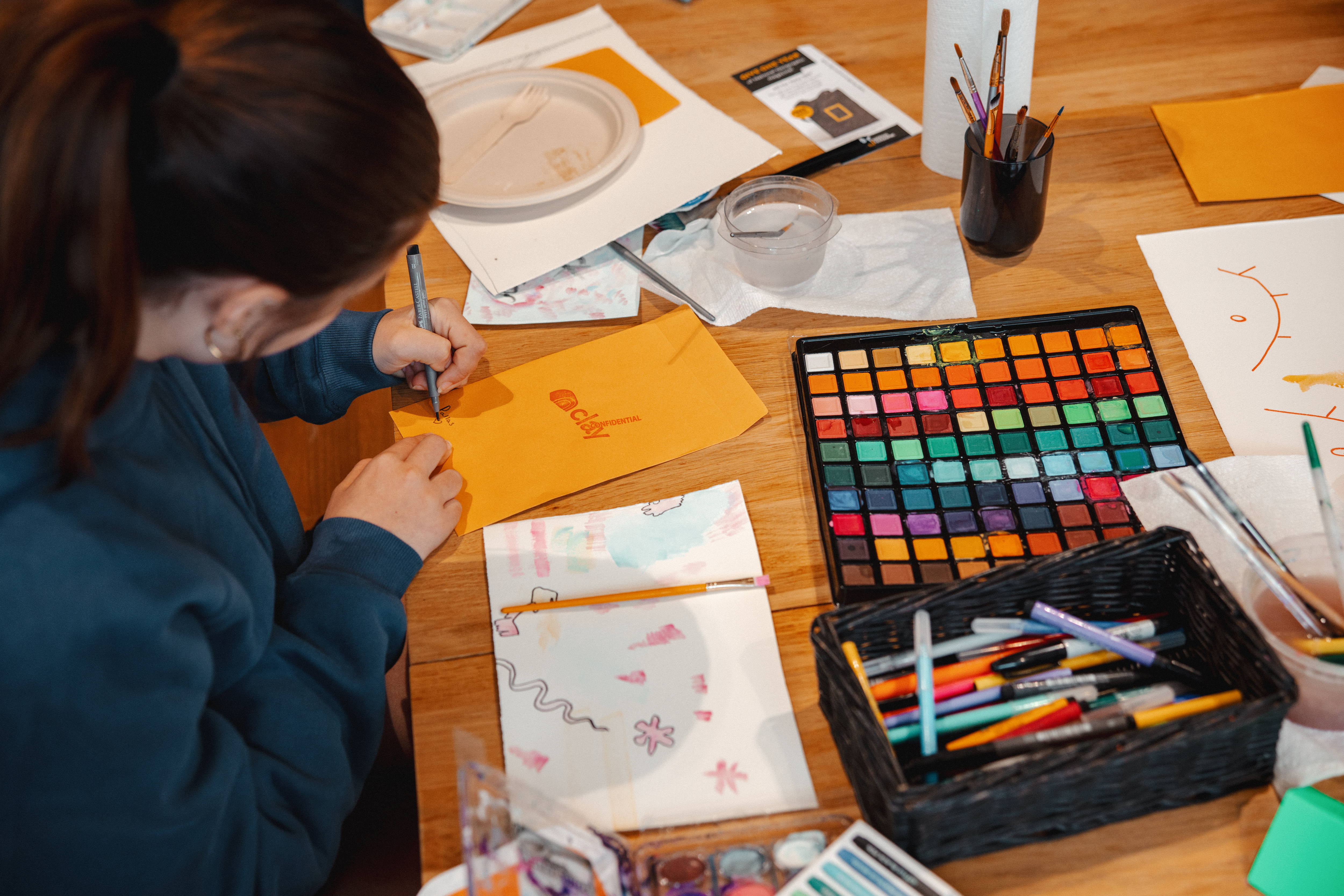
The environment was, and remains, very casual and trusting, with a high degree of openness and extraversion. My coworkers were smart, kind people who decided their own priorities, assumed the best of each other, and used the company card freely. No one cared if I worked from home, from a park bench, or from a call booth. It was the opposite of my investment fund job.
Our team, especially on the business side, was an unusual collection of people. Varun had a way of convincing talented people to try jobs they’d never done, often by anchoring their pay to higher-status roles (Yash left product to lead education; Matthew left growth to run customer support). The result was a workplace where people weren’t trying to be the version of themselves their resume demanded.
A few days after I joined, we rented two cars and drove to the Mohonk Resort for a retreat. Most conversations had nothing to do with work and were rather, to my entertainment, about therapy, relationships, or music. We paddleboarded and danced; I convinced two people to wake up at 4:30AM for a sunrise hike with me the day we left. The whole thing felt like a mix between summer camp and a sleepy, happy, blurry road trip with friends.
I quickly felt comfortable enough to add to the culture and organized our first Bring Your Parents To Work Day, a ritual we’ve continued (as we’ve aged, we’ve since also added a Bring Your Kids to Work Day). Kareem’s mom called in at midnight in Cairo, Brian’s mom took multiple buses to Brooklyn from New Jersey, and my dad told silly stories about how I secretly bought a stick shift car in New Zealand when I was 20. We cut a thick chocolate cake and a few of us ended the night salsa dancing with Juan’s mom. I went to bed in tears in my tiny basement sublet thinking about the space we’d shared.
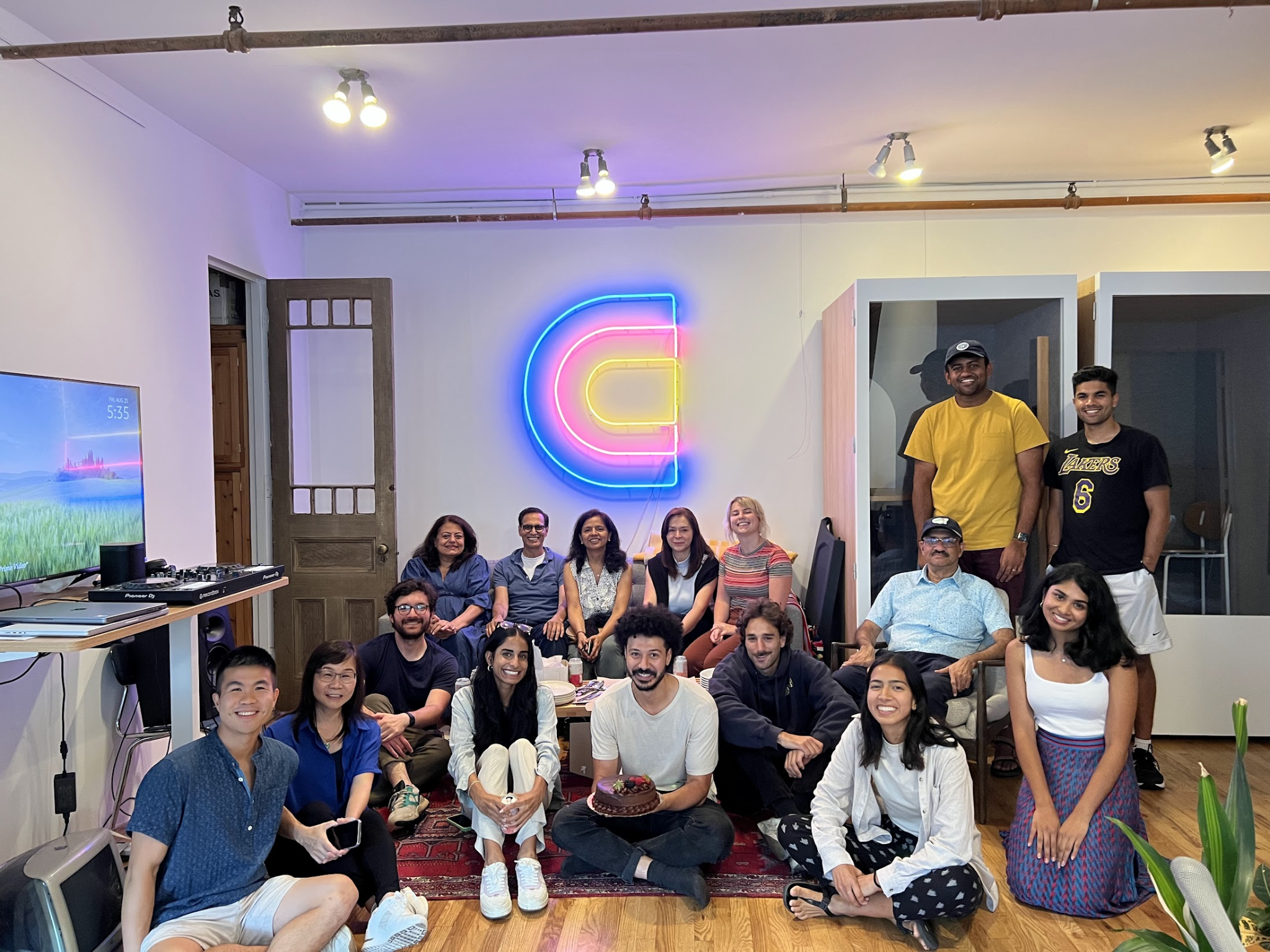

Bring Your Parents to Work Day (left) has grown into Bring Your Kids to Work Day (right) complete with a petting zoo.
By the fall, we'd moved to a real office on Fifth Avenue near Union Square. Every Friday, for “DJ Friday,” Mark, Yash, Tess, and Kareem rotated through the decks. Mark threw poi, Yash did the worm, Karan sometimes climbed the walls. Eventually we'd spill out to continue our nights for karaoke at Baby Grand or Toñitas in Williamsburg, which was our favorite (and apparently Bad Bunny’s too).
We were spending so much time together that, inevitably, the people at Clay became my best friends. I sublet a room directly across the office, where teammates would come over to eat dinner or watch Love is Blind. People invited each other to their birthday parties; Karan and Juan worked from my parents’ house in New Jersey. Kareem helped me process my ending relationship with Buddhist book recommendations and kati rolls in Washington Square Park. During a work trip to SF, when Varun sensed I felt bad about something he’d said earlier, he called me at 10pm and found me in person to apologize. We didn't have HR yet, but we had trust, friendship, and people who took responsibility.
At Clay, selling software didn't feel like selling out. We had a taste for creatives and didn't take ourselves too seriously. We didn’t cosplay “startup,” in contrast to SF, where I’d sometimes felt culture collapse into a re-enactment of VC Twitter.
If most people in SF wanted to quit their jobs to become founders, most people at Clay wanted to quit their jobs to become artists or therapists. Nobody was performing ambition.
I loved that, and at some point, I realized I wanted to stay at Clay. I signed a lease in New York.
When Clay started to feel real
Though I was learning a lot and enjoying myself, by early 2024, I couldn’t tell how much of a “real company” Clay would become. We had no enterprise customers, no code reviews, no PMs, and no expense policies. Getting a raise meant asking Varun or Kareem, who directly managed every engineer. Most early hires, including me, were doing jobs we'd never done before.
Several milestones changed my mind that year, all downstream of the GPT API release, which made Clay orders of magnitude more powerful. We built several AI features, most notably Claygent, which let companies automatically do bespoke web research that had previously taken hundreds of hours of manual labor. Suddenly, Clay could do a lot more than pull fixed data points into a spreadsheet.
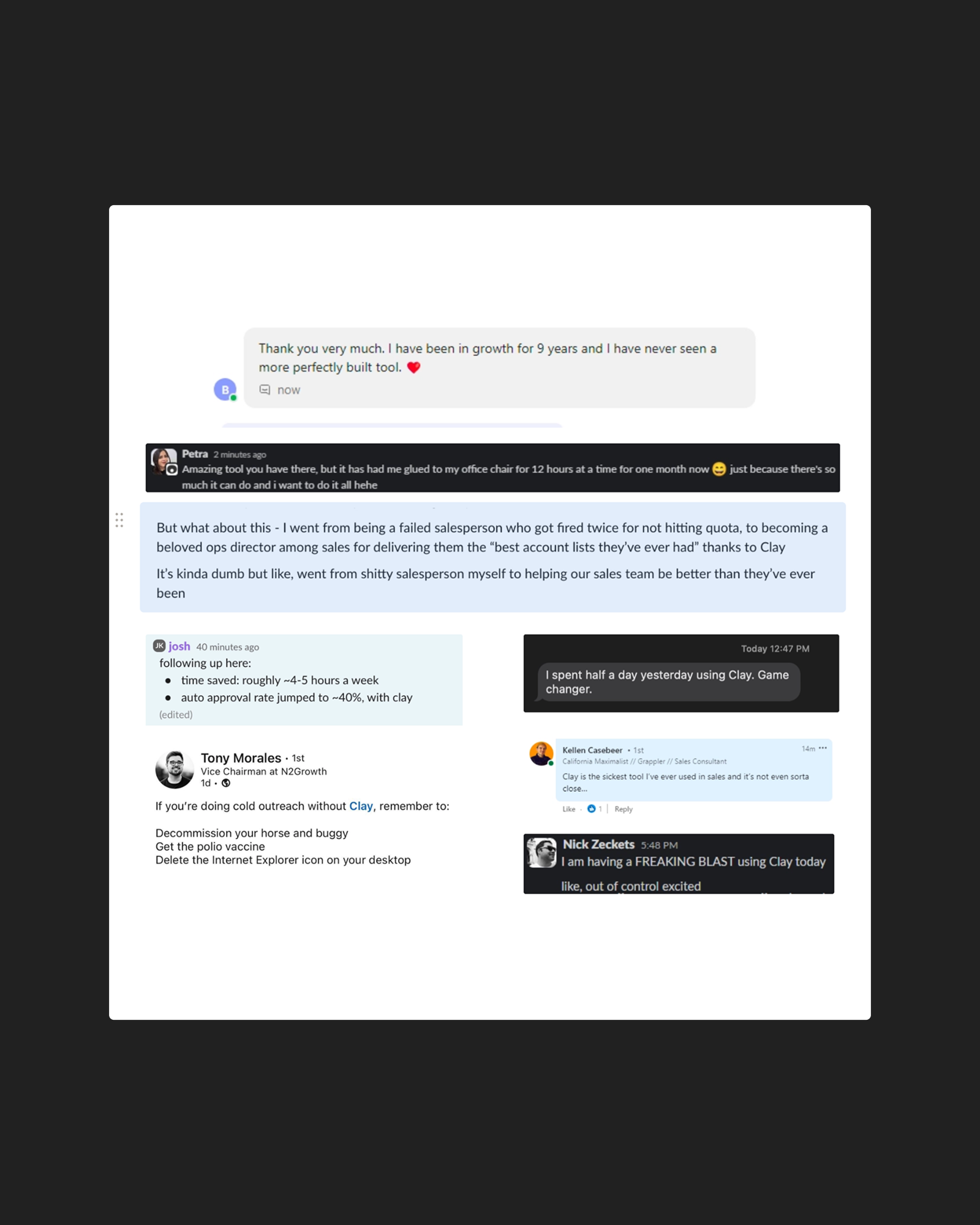
The first sign was how loudly customers started talking about us. GTM agencies and operators kept telling their audiences online how much time Clay was saving them — even when the product was full of bugs. Several of them started asking if they could come work at Clay. That kind of customer obsession is rare for any startup, and almost unheard of for a B2B sales tool.
The second sign was that senior operators started leaving established companies to join us. Our marketing team, until then, had been two people: me and a recent college graduate who mostly worked out of backpacking hostels. In the late winter, Varun recruited Bruno, the head of growth marketing at Webflow — convincing him to move from the North Shore of Oahu to Manhattan for the same job title at a much smaller company. When he signed, Varun celebrated at all-hands with a call recording from Bruno’s former manager who’d said a few weeks earlier, “Oh, you're trying to recruit Bruno from Webflow? Good fucking luck!”
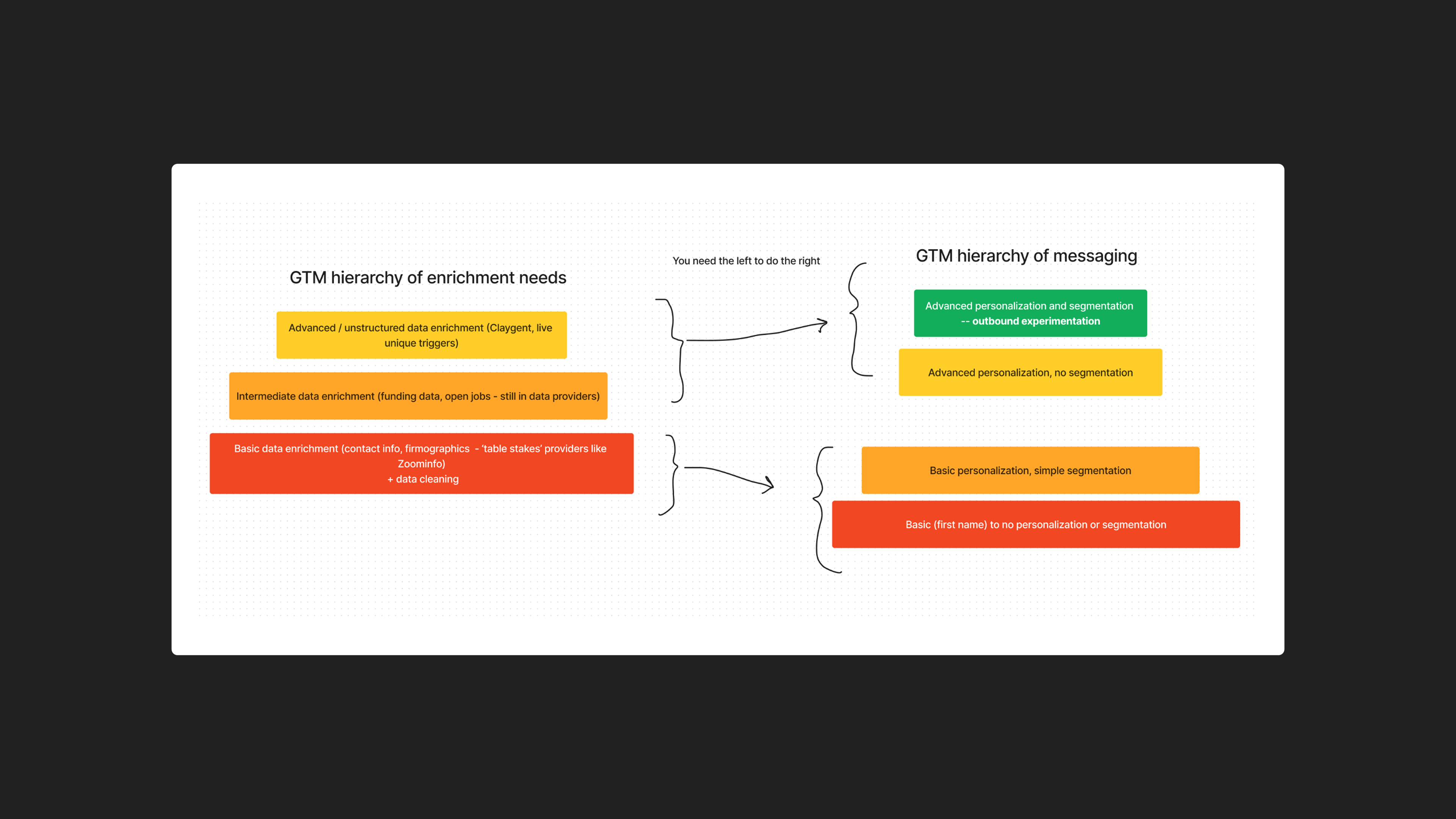
The third and biggest sign came that spring, when we signed OpenAI as one of our first enterprise customers. The logo made other buyers take us much more seriously, and a wave of them followed that summer. That July, I led our Series B announcement, which included a Bloomberg piece, an overhauled homepage, and a blog post, our first attempt at telling the story of what we'd built and why. Bruno's arrival freed me to stop thinking about SEO and emails, and I started spending time in SF with our product and our first enterprise customers, looking for the right words for what Clay actually did. On one trip, Kareem caught me sketching diagrams in Figma in a hotel lobby and told me it was the most useful work I could be doing. Several evolutions of those sketches still live in our sales decks.
By that point, it was clear Clay was going somewhere. We'd moved into a new office in Chelsea with rainbow-striped walls, forest-inspired seating, and dogs everywhere. The company that had been held together by vibes was becoming something real.
When the job didn’t fit
Thanks to my positioning and messaging work, in mid-2024, I landed a raise and was promoted to Clay’s head of product marketing. Things went downhill from there.
Product marketing is a hard role to feel your way into because it ranges hugely in scope and style. Every advisor I talked to had a different definition of it. Without a clear playbook, I stuck to what I knew how to do, focusing on website projects, shipping case studies, and building out a system for product launches at a time when engineering timelines lived in people’s heads. It kept me busy, but it definitely wasn’t the whole job. I didn’t get close enough to sales to understand deal blockers, develop a point of view on pricing, etc. — and I didn’t hire people to fill my gaps.
As months passed, I felt something was increasingly off around Kareem, Varun, and later, Bruno, who was in his own no-man’s-land, functionally leading the marketing team but without the title. Little things would happen, like the blurb under my picture changing from “Head of Product Marketing” to “Product Marketing” in our Figma org chart, but no one was directly talking to me. (I later learned that this was a Figma error that had caused at least five other people anxiety — the perils of running your org chart in a design tool!) My anxiety snowballed to the point where I started second-guessing everyone’s interactions with me, once bursting into tears in the bathroom after a tense meeting with Kareem. I wondered whether I should quit.
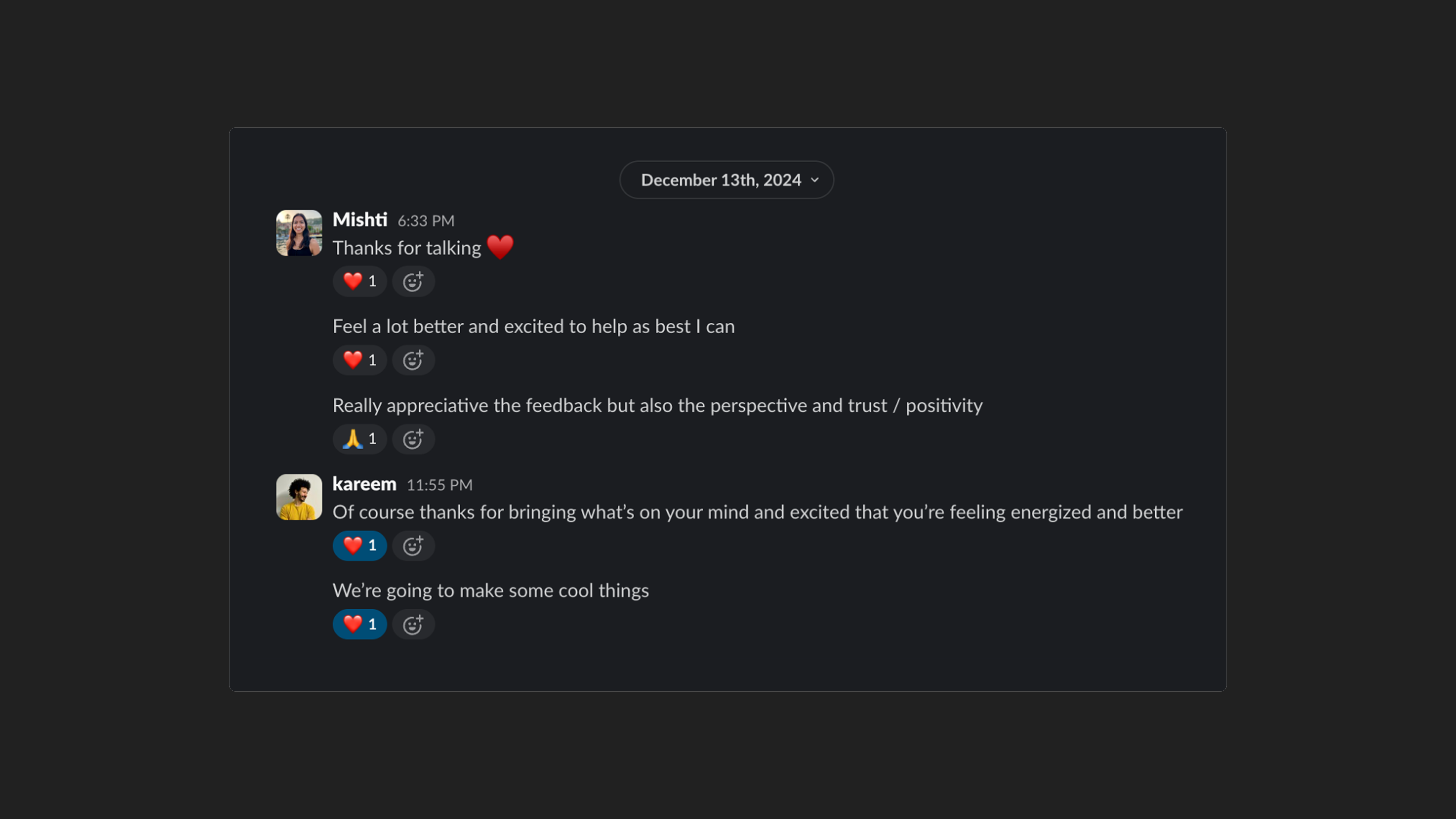
Eventually, thanks to advice from Rachel Hepworth, Notion’s former CMO and our advisor, I asked them directly what was going on. Her point was that executives (especially new and busy ones that you’re also friends with outside of work) can be conflict avoidant about feedback, and it’s worth putting yourself out there to make it easy for them. So I scheduled three conversations, face-to-face, where I essentially said: something is wrong, and I’m feeling bad. What is it, and how can I help?
The tension broke immediately. Everyone acknowledged they had a sense that I wasn't the right person for the role. Once said out loud, it felt obvious to me, too. We were at a stage where we didn't have the luxury of time for me to teach myself a new discipline. And even if we'd had the time, many key parts of the job didn't give me energy (and, in fact, were draining). The conversations were a relief, especially because everyone owned their mistakes, and I received several heartfelt apologies for the miscommunication. I went back to the work I loved.
The end of 2024 brought some sadness: winter was setting in, and Clay’s cast was changing. As talented new people were joining, members of the original crew, especially early engineers, were leaving or getting fired — the casualty, in part, of having many inexperienced managers and no structured feedback loops.
I knew it was healthy that I was developing a more contained attitude towards work, wasn’t hanging out with my colleagues 24/7, and had grown more naturally distant from some of them. But I felt sad that the Clay I’d fallen for — twenty people who felt like a road trip caravan — was fading. Varun, and especially Kareem, grew busier and less accessible. Attendance at DJ Fridays slumped. I used to go on a walk with every new person who joined; I’d stopped being able to keep up months ago and couldn’t recognize many faces. Maybe every job just eventually becomes a job, I thought, and it was naive to expect otherwise.
On my best friend’s last day, I hired a surprise mariachi band for a sendoff and went home in the cold feeling the loneliness of a chapter closing. After the winter holidays, I tried to focus on what I could control: my relationship to the work itself.
The year of our narrative breakout — and my return to individual work
I entered 2025 a bit exhausted. For years, I’d pushed myself to do work that optimized for compensation, perception, and security. With no energy left for that, I narrowed my focus to the narrative work I was already good at. It turned out to be the best career move I ever made.
What came easily to me was exactly what Clay needed most from me. A new product marketing team took over how customers understood and bought the product, running launches, the website, case studies, and sales collaboration. I focused on building out the concepts and brand narrative that shaped how the world felt about Clay — and the broader GTM function. That year, I helped define the future we believed in, with three pieces that had a huge ripple effect:
- I framed Clay as a go-to-market IDE to announce our unicorn fundraise. This gave our internal team a mental model for how to think about the product.
- I defined the concept of GTM Alpha, or a competitive selling edge, and argued that teams find it by using unique data in unique plays. This gave our sales team an evergreen talk track.
- I wrote “The Rise of the GTM Engineer,” which staked Clay as the originator of what has become a blazingly popular career (today, thousands of GTME jobs are posted each quarter, including at companies like Webflow, Notion, and Canva).
We committed to these concepts in a way most companies don’t, and we’ve reaped the benefits. Ideas, which often started in Slack threads, became essays, frameworks, and names we repeated everywhere. They took on lives of their own, showing up in sales decks, hackathons, and conversations we had nothing to do with.
It was obvious that narrative was valuable for Clay, and I was asked to run a team around it that blended brand, socials, influencer, and editorial. Towards the end of 2025, though, I realized running a department was draining my energy and I was less interested in building a machine than telling stories myself. So I did something that surprised my colleagues but made my coaches proud: I chose to be an individual contributor again.
Becoming an IC was easier than it would’ve been elsewhere because there were no professional, financial, or social incentives stopping me:
- My post-Clay goals don’t involve climbing the corporate ladder, so managing larger teams wasn’t earning me any career points.
- As an early hire with a significant equity stake, as the company grew, I felt like I didn’t have to worry as much about chasing proportionally smaller raises.
- We treat managers the same as ICs. Most companies would read going from a manager to an IC as a demotion, but at Clay, it carries no social cost. We apply the “staff engineer” model across the company, where senior individual contributors are just as valued as managers.
I leaned into my gift for storytelling and stepped into what Rachel calls my freedom era.

Past $100M ARR and beyond: from zone of genius to zone of hunger
Today, I still lead Clay’s major messaging moments, but I spend the other half of my time learning the craft of video journalism for YouTube. I’m profiling people learning GTM engineering and AI in Pakistan, India, and Benin, investigating how weird businesses grow, and using Clay’s data to surface stories hiding in plain sight. I’ve apprenticed myself to Jake, who leads our Studio team, and Herrine, who leads YouTube after years building popular media channels at the WSJ and Morning Brew.
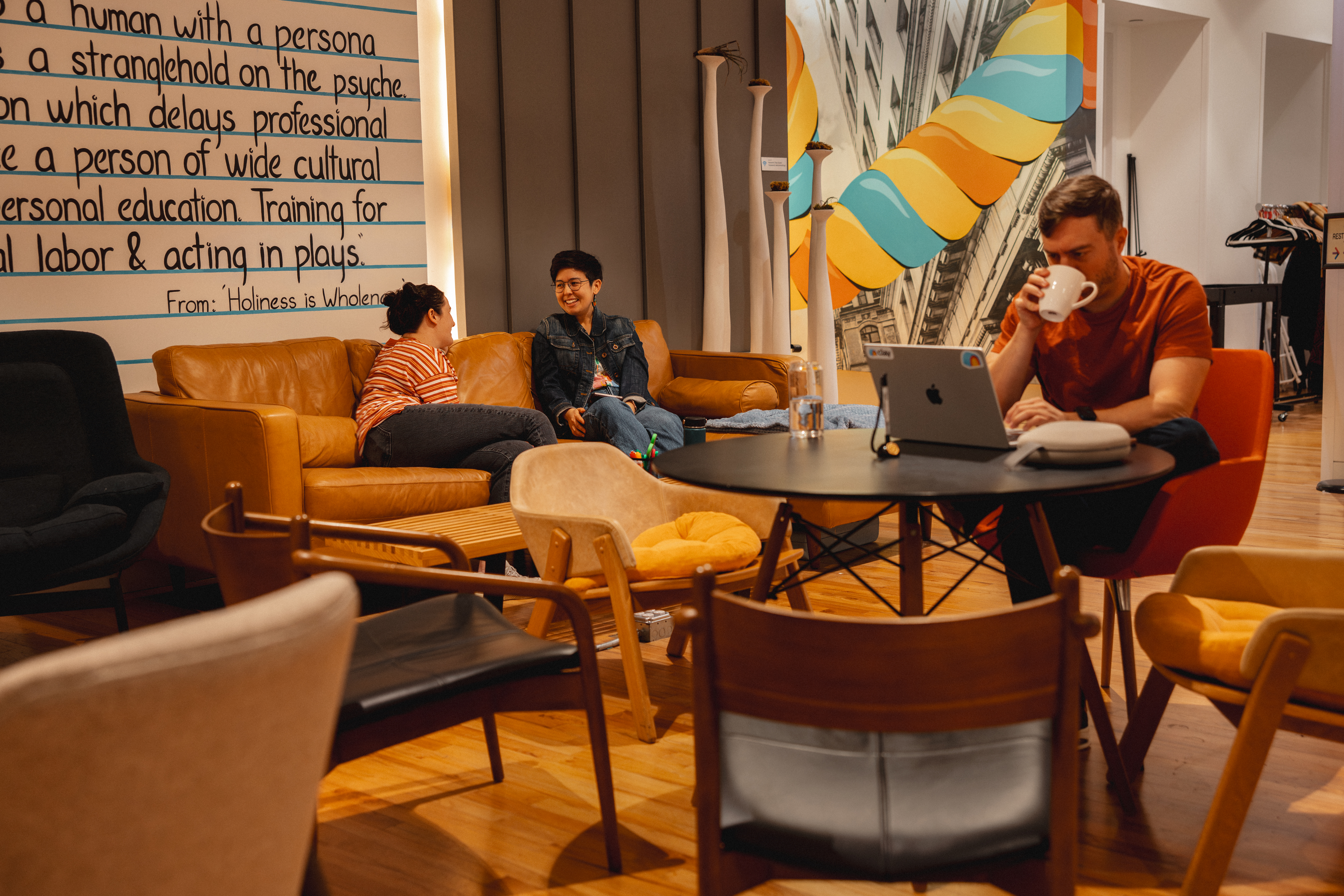
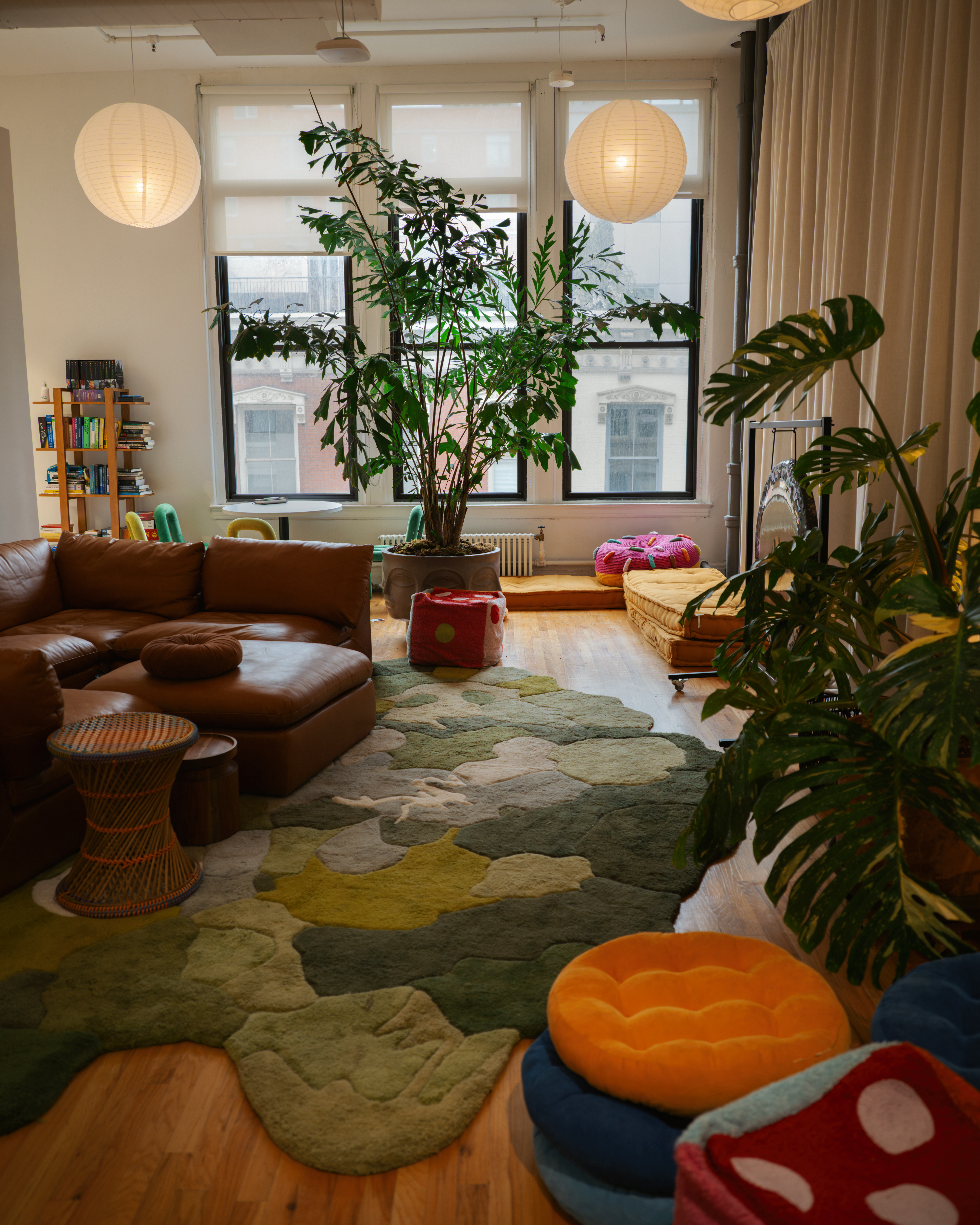
My first year at Clay was about selling an early product, the middle was about coining the concepts that defined an industry, and the present is about building the brand — and media engine — we want. We have the money, data, and creative talent to tell stories that become popular on their own merit with viewers who don’t yet know or care about Clay.
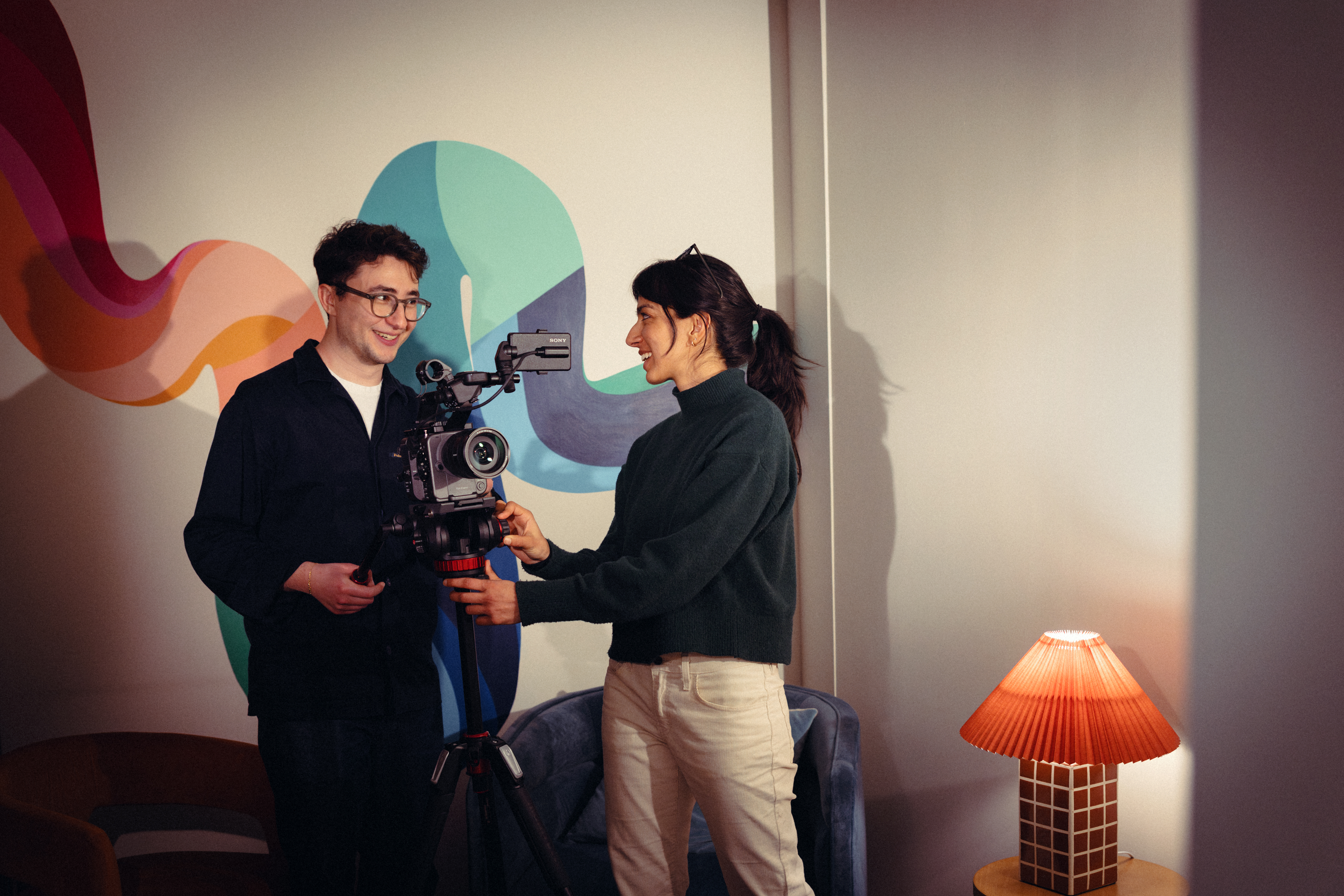
The process has been a surprising and delightful convergence of my zone of genius with what I call my zone of hunger.
Your zone of genius is what you're already best at — the thing people hire you for. Your zone of hunger is what you’re driven to learn next — to do the work you’d want to do even if no one was paying. Most people have their last real teacher in their early 20s and never really experience being a beginner again. But at work, I’m learning something new every day.
My current freedom might look surprising from the outside, given that Clay is bigger and more structured than ever. We’ve recently crossed $100M in ARR, expanded to two new offices in London and SF (though I now remain happily in NYC!), and should end the year with 750 employees. We have PMs, HR, engineering leaders, an expense policy, and codified values. Companies often get richer and more boring at the same time, but we try to use our new resources to amplify what made us special to begin with.
First, our hiring philosophy continues to give talented, multifaceted people the environment to lean into their true strengths. We’re happy to benchmark comp creatively or invent titles to make sure people fit where they spike. When former PMs, like Jessica, trade in their title for “Schemes,” you get enterprise customers starring in kung-fu fight scenes, learning to roll joints with Snoop Dogg’s teacher, and taking personal styling workshops in NYC. Our salespeople, engineers, and marketers are also farmers, musicians, and bookbinders. Everyone unapologetically brings themselves to work.
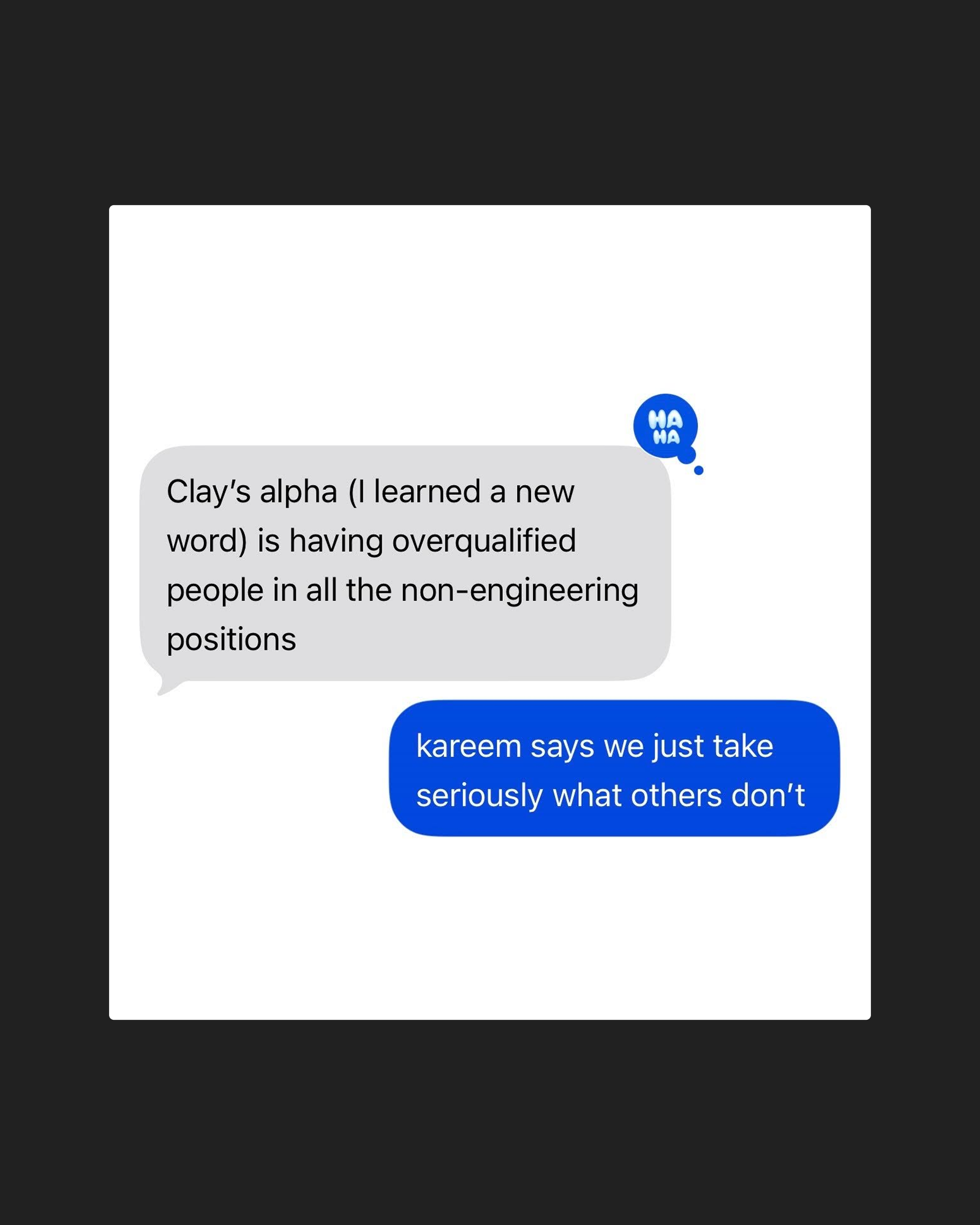
Second, we continue to avoid conventions that feel like a waste of time. For example, we still don’t have a leadership team or “executive only” meetings. (Varun prefers talking to DRIs for specific initiatives directly, instead of filtered through layers of managers.) Our loose structure works because everyone takes ownership and acts for the team.
Kareem and Varun captured those orientations as our two core values this year: negative maintenance and non-attached action. Negative maintenance means that if you see something broken, you fix it rather than flagging it for someone else. Non-attached action, loosely inspired by the Bhagavad Gita, means you act without being tied to a certain outcome, with your goal always being what’s best for the team and customer. (We also have a growing set of operating principles that describe how we actually work day to day — I regularly use “FYI culture,” where you act first and inform people after, rather than waiting for permission or consensus.)
Third, we keep no budgets, minimal red tape, and lots of room for opportunistic bets for both work and play. I proposed both a monthly book benefit and an employee grant program, which I've used to expense a lot of books and fund my first documentary. People’s ideas have led to a tea ceremony room, a makers’ lab, and a 2.6k square foot listening room in our new office at 11 Madison Avenue — a long way from a shoes-off loft in Williamsburg.
After the leap
I came to Clay worried I was giving up on my creative dreams and settling for a content job at a boring company. Three years later, I’m having the most fun, learning, and creative freedom I’ve ever had. Kareem was right: committing to what came “easily” to me was difficult. But it ended up bringing me closer to the work I'd always wanted to do.
Looking back, I think what made all of this possible was simple: Clay created the conditions where I felt safe enough to be myself. When I finally relaxed, trusted my team, and did the work that was most mine, the output was something that no other company could have replicated.
I see this as a virtuous loop: create the conditions where someone can be fully themselves, and you get work that couldn't have existed any other way. Your company gets more self-actualized, and so does the person. And when people outside see that happening, they join in and make something bigger.
The work I do now connects directly back to what I wanted before I even joined Clay, and what I plan to do for the rest of my life. If and when I leave, I’ll walk out knowing how to tell the stories I've always wanted to tell, and with the financial support to actually do it.
Neither my nor Clay’s success was destined. Kareem could’ve chosen not to pivot Clay into the sales use case in 2021; Varun could’ve skipped the Clay webinar that led him to discover, and later lead, the company. I could have flaked on catching up with Varun, or started something else instead of joining. None of these paths are ones that someone else can simply replicate.
But if there's one thing I pull out of it: the people and companies that commit fully to what they're uniquely excellent at tend to find a way. In the words of Julia Cameron in The Artist’s Way, leap — and the net will appear.
This piece took a village. Thank you to all the advisors, friends, and teammates who helped shape my journey and these words.