
As part of our series highlighting what makes a company truly distinctive, our second installment of Firsthand features Applied Intuition as seen through the eyes of Malhar Patel, one of the early hires who’s been at the company through every phase.
Internally, the shorthand is Applied. (Shortening to AI would have been a little cheesy.)
Most people in tech, even the very plugged-in ones, don’t know much about Applied Intuition.
Yet on paper, our company and culture is very on-trend for a tech company in 2026. We build software and AI for the physical world, from autonomous vehicles to construction trucks to fighter jets. We have over 1,000 engineers, and customers conducting 50 million simulations a year on a platform handling hundreds of petabytes of data. We’re a $15B valuation company, in-person five days a week, and our engineers embed with customers around the world — from Sweden to Japan. And yes, we still have a no-shoes policy at the office.
For a long time, we’ve had the mindset that the only people who needed to know what Applied was doing were customers and candidates. We were heads down on our work, sustained mostly by word-of-mouth. But as we’ve grown past 1,300 people to become a global leader in physical AI, that thinking has evolved.
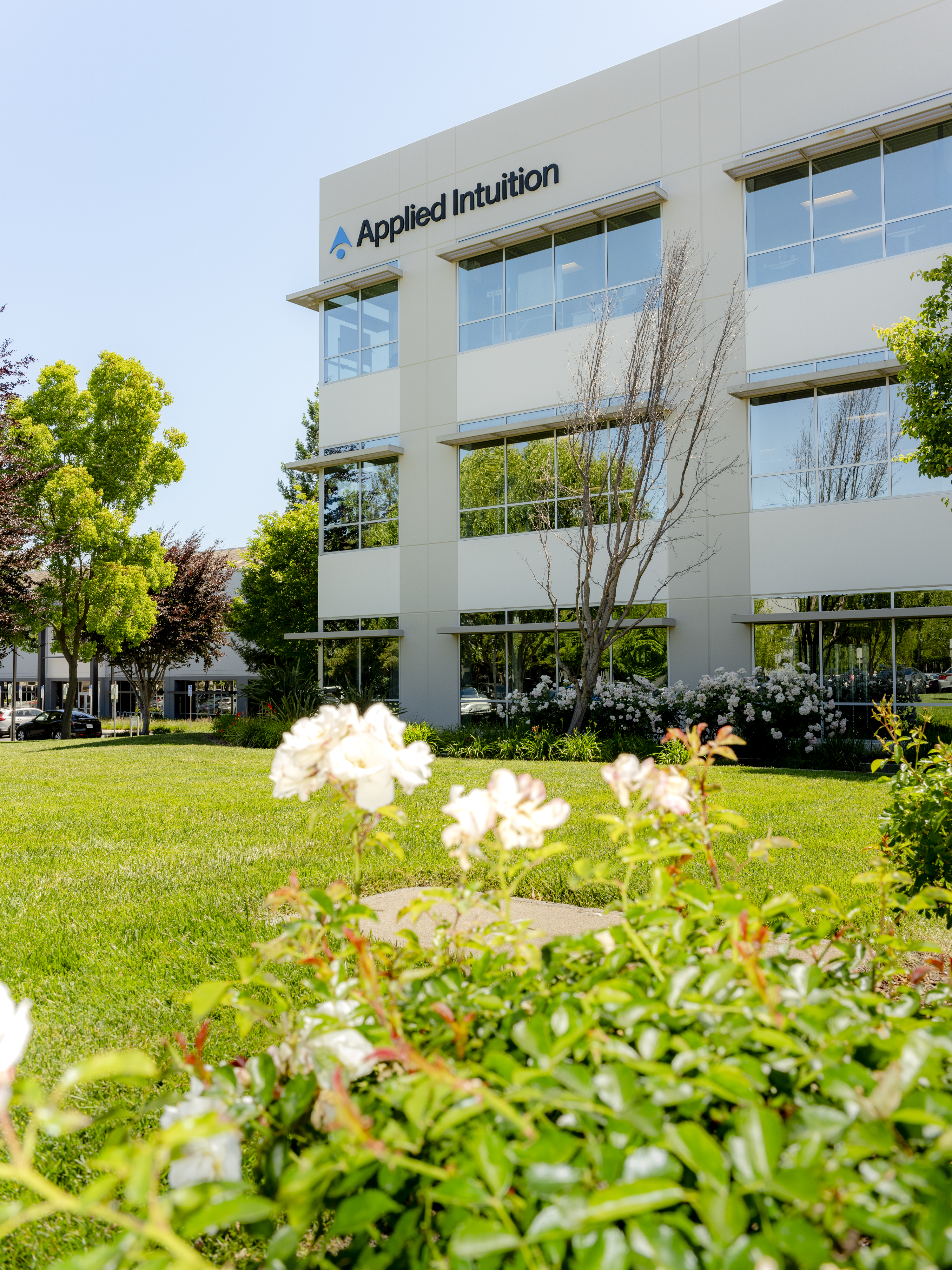
People often ask how we’ve kept our culture so distinctly "Applied." This has largely been architected by our co-founders Qasar Younis and Peter Ludwig. Over my seven years here, I’ve seen a lot — from the days when a handful of us worked out of a rented space above a bar on Murphy Avenue in Sunnyvale to today, reporting from our several-hundred-thousand-square-foot campus just a mile down the road. Here’s what’s kept me here all these years.

Joining: How I wound up here and how we recruit
I joined Applied at the start of 2019 as an engineer. It was my first real job out of college. I feel like I was born here.
I studied EECS at Cal (go Bears!), where I spent a lot of time building small autonomous vehicles and launching satellites (including a miniature satellite the size of an Apple Watch screen). Someday, I’d like to build the Iron Man suit.
During my senior fall, I had dinner with my friend Rohan, who was one of the first engineers at Applied. I trusted him, so I figured if Rohan liked working there, I might too. I got connected to the team the next day, interviewed, and got an offer within a week.
When I joined, there were around 15 of us. We didn’t have an org chart or clear-cut roles. We had a single product, the planning simulator, and a few customers. The website didn’t even tell you any of this. We were just focused on building the best possible product for customers.

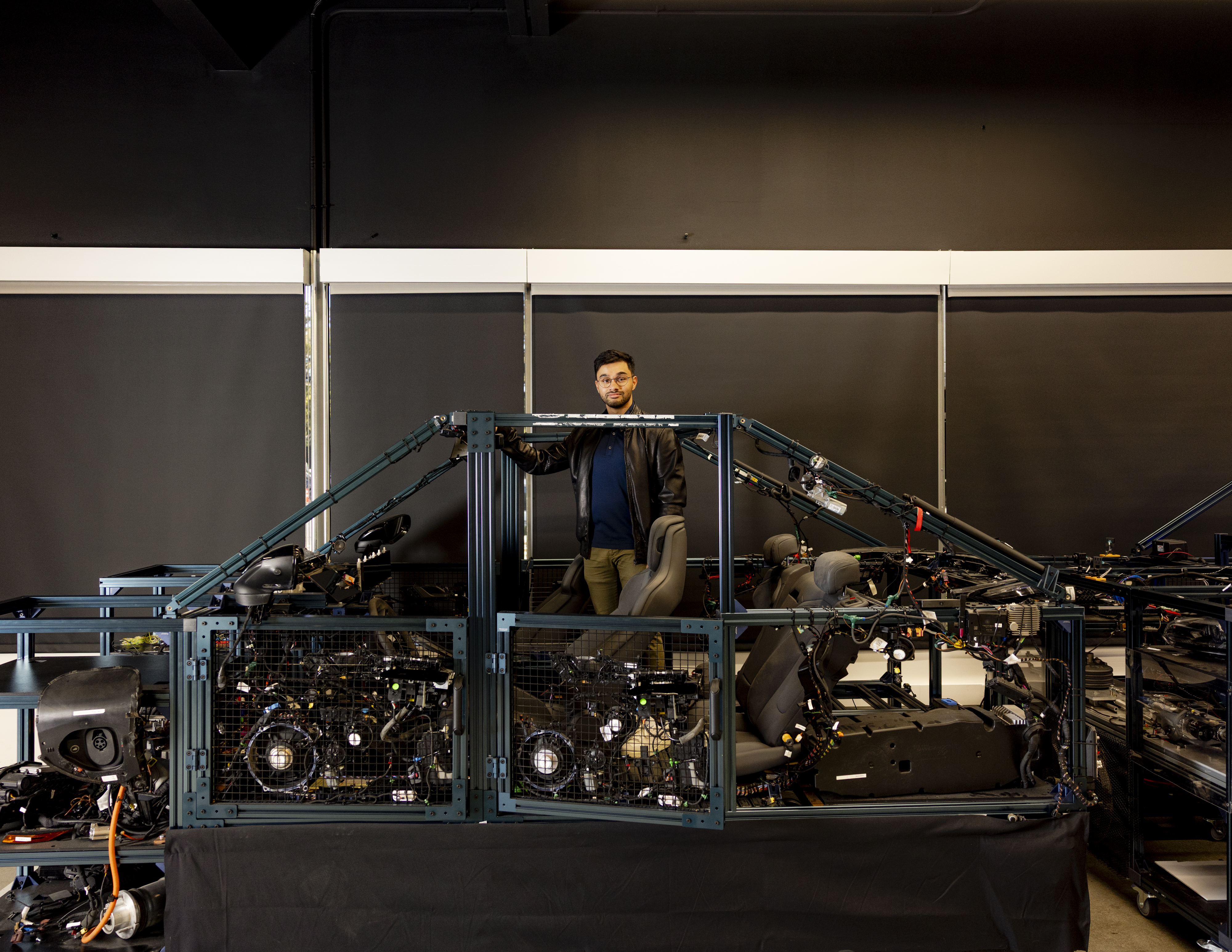
I’ve had a lot of roles here over the years. Whatever the company needed to figure out at a specific moment in time is where I got pulled. I’ve helped start and run our infrastructure group, worked on recruiting, finance, and customer accounts, built Reinforcement Learning (RL) environments before they were cool, and led the Data, ML, and Compute org (what people now call AI infrastructure). Most recently, I was asked to step into our first-ever Deputy CTO role. Now I’m focused on making sure we have the right technical strategy and are executing on it across all of engineering, helping our CTO Peter manage what 1,000+ engineers are shipping.
Because I’ve touched so many parts of the business, I’ve done a lot of hiring. I’ve interviewed thousands of folks myself and I've seen our hiring process twist and turn as we added more people and tried to figure out which hiring habits were worth hanging onto and what needed to change.
We’ve always approached hiring as shoring up three sides of a triangle:
- Domain specialists. In the beginning, this meant simulation PhDs. Nowadays it’s people who are very deep in our verticals, from automotive to trucking to agriculture.
- New talent. We have a giant new grad class and invest heavily in growing them into leads — I’m one of many examples of this. About 70–80% of our management is internally promoted.
- Ex-founder or CTO types. They inject the startup energy. You have to consistently move fast and build the best product.
The trifecta is what creates productive groups. Any one of those elements in isolation tips the balance. Too many former founders and you lose structure; too much domain experience and you get cynicism about what’s possible. You need a bit of naivety, especially when you’re doing deeply technical work. Personality matters too. It’s a constant exercise in calibration.
Before we hire any candidate, we do what we call a leads chat. This is a conversation with two leads in the company close to what you’d be doing and with a strong feel for the culture. We’re trying to decide if this person will fit into a team, and whether they have the hunger to succeed.
The nuance is you need to make sure the leads doing this are calibrated. When we first started, it was a casual conversation with Qasar and Peter. They did them for the first few hundred hires and still do them today for our leads.
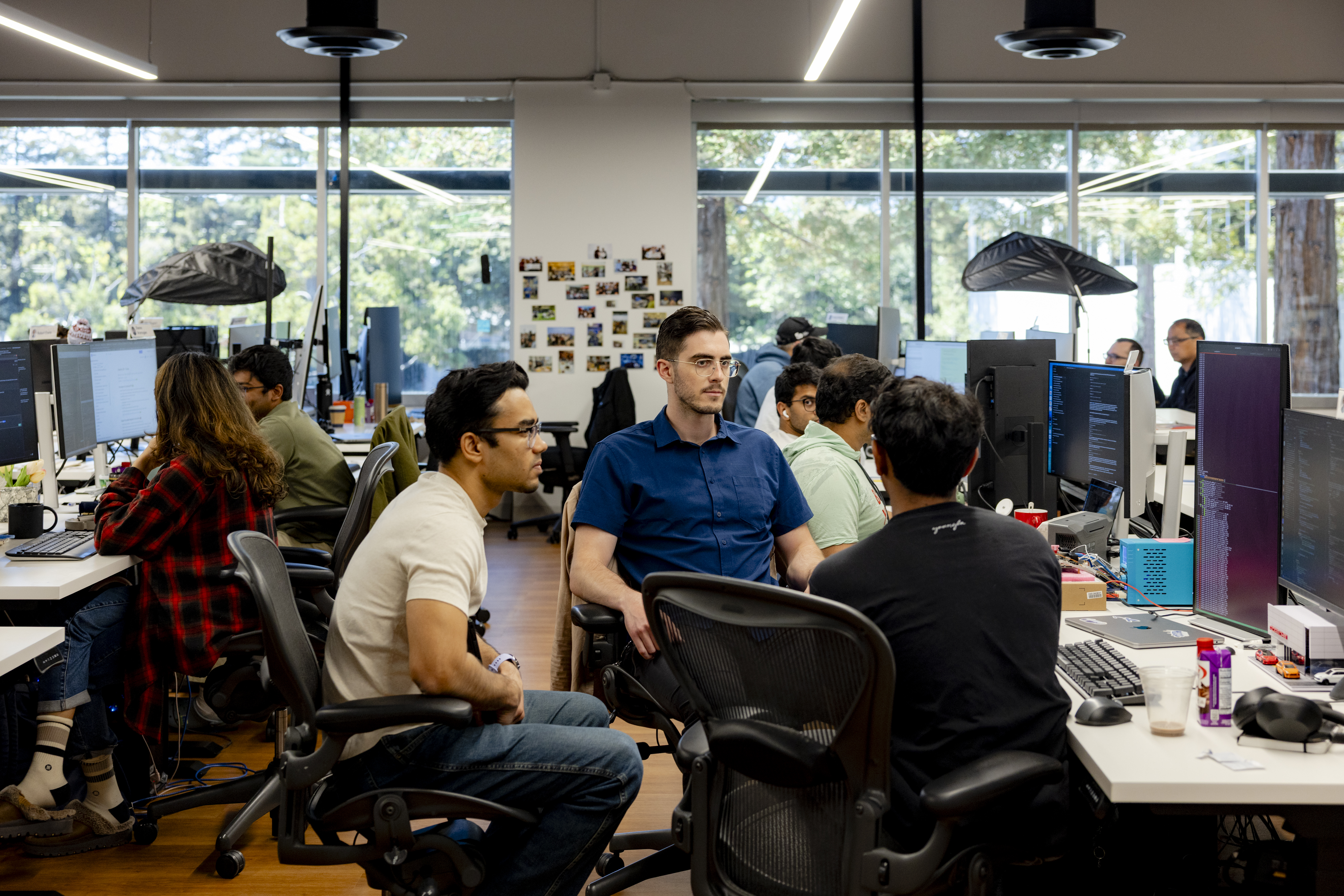
We also have a self-selection process by being in-person five days a week. Not everyone wants that, and that’s completely fair. But the people who do tend to be genuinely energized by the work. You can feel it when you walk in.

My other favorite hiring heuristic is what I call the car test, which is apt for a company like ours. If you’re stuck with this person for eight hours in a car, would you be happy?
Working here: What’s expected of us
We have a lot of conviction in how to build this company — from the hiring process to day-to-day operations — so it’s important we help new hires adapt quickly. We do that with required reading and viewing, such as onboarding videos that walk through niche situations and how to think about them. Every new hire reads a curated list of Qasar’s writing (we can’t share any of it publicly, but you can get a taste of his unique writing style from what he’s shared on his website).
One of my favorite training videos is called "How Not to Be a Corporate Goon." It sets the tone pretty clearly, underscoring why being intentional can make a real impact.
True to the “building a great product is all that matters” spirit of our founders, when you join Applied, the expectation is that you’ll ship from day one. You should merge code by the end of your first or second day.
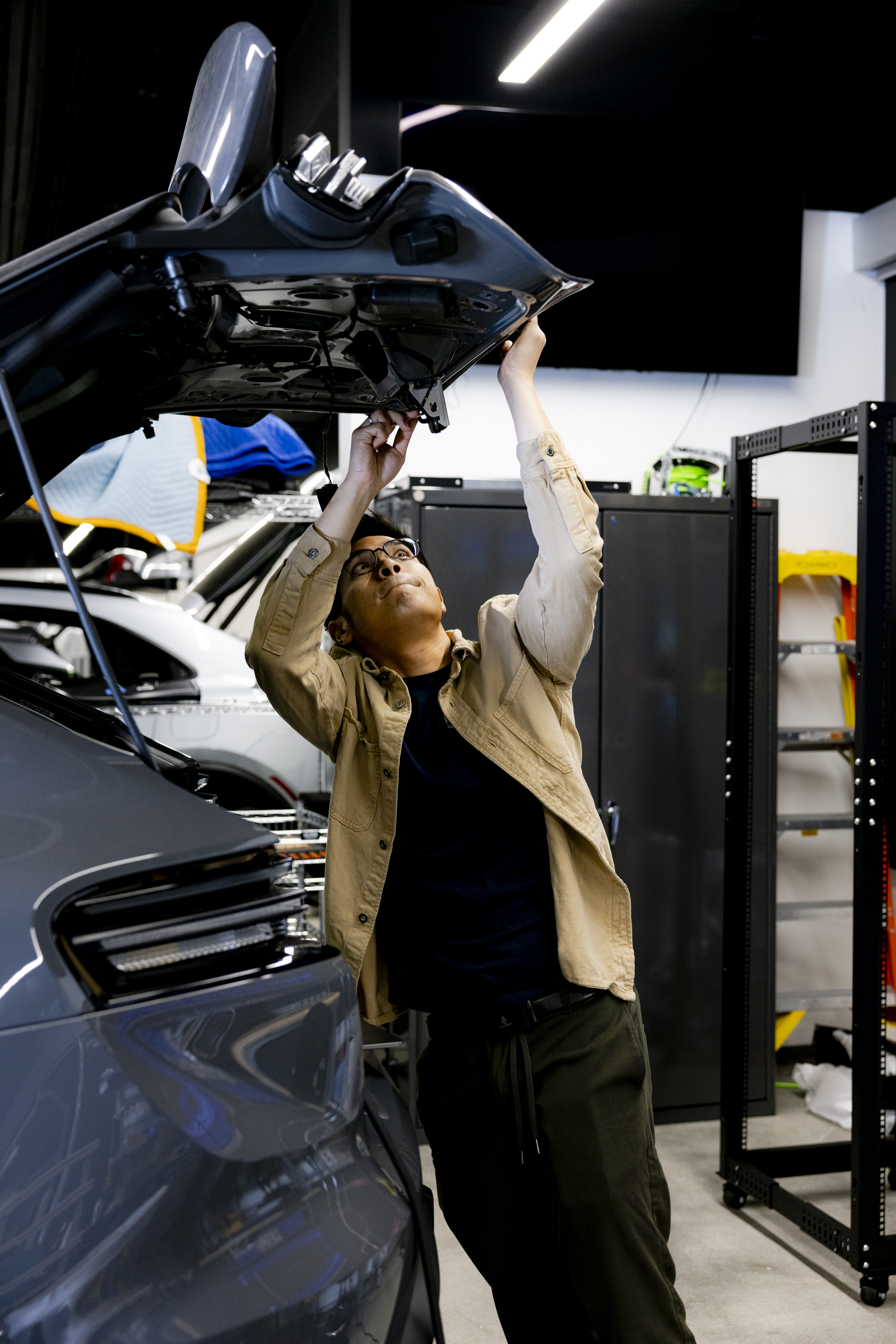
But we won’t just let you fly blind. One of the things I did for everyone who joined my team was get them in a car their first week. You joined a company that does stuff with cars, you should experience one. Afterward I’d ask: "What should we make better?"
It’s an easy test for me to see if this is someone who can find and want to fix issues and propose solutions. They should be able to spot a few things. These car sessions create these micro teaching moments that help craft them into someone who’s going to be hyper-effective here.

Another big expectation at Applied is that we will send engineers onsite with our partners on the other side of the world constantly. We’ve been “forward-deploying” long before it became a trend.
This global spirit is a big part of our ethos. Applied has been international since early on because our customers are in the countries core to our verticals, places like Japan, Korea, Germany, Sweden. Our offices are where the customers are.
Making that work is maybe the hardest cultural problem we’ve had to solve. Our HQ is on the West Coast, which means there’s an nine-hour time difference to Munich and another seven to Tokyo.
It’s not unusual to walk past a conference room at 11 PM with five people on a call with customers on the other side of the world.
Because of this frequent flyer culture, everyone here is good at communicating, engineers included. Our general expectation is that if I put you in front of a customer executive, you can articulate precise technical details clearly to them. Because there are a ton of people who start in Sunnyvale and rotate onsite for a few months, the old archetype of the engineer who sticks in their corner doesn’t work here.
We care deeply about technical excellence. Over 80% of our workforce are engineers, and the products we work on are genuinely hard. Good software is one thing, but making it work reliably on physical hardware in the real world is another.
A big reason why I’ve stayed here seven years is because I’ve gotten to go where the problems are. Most people leave companies because they don't feel like they can do anything about their environment. I’ve always felt like folks at Applied can, whether that’s changing function, exploring a new direction, or giving direct feedback.
When people do move on from Applied, what they do next runs the gamut. Of the early employees, many stayed for four or five years and went on to start their own companies. One person has a matcha company. One went to a circus academy.
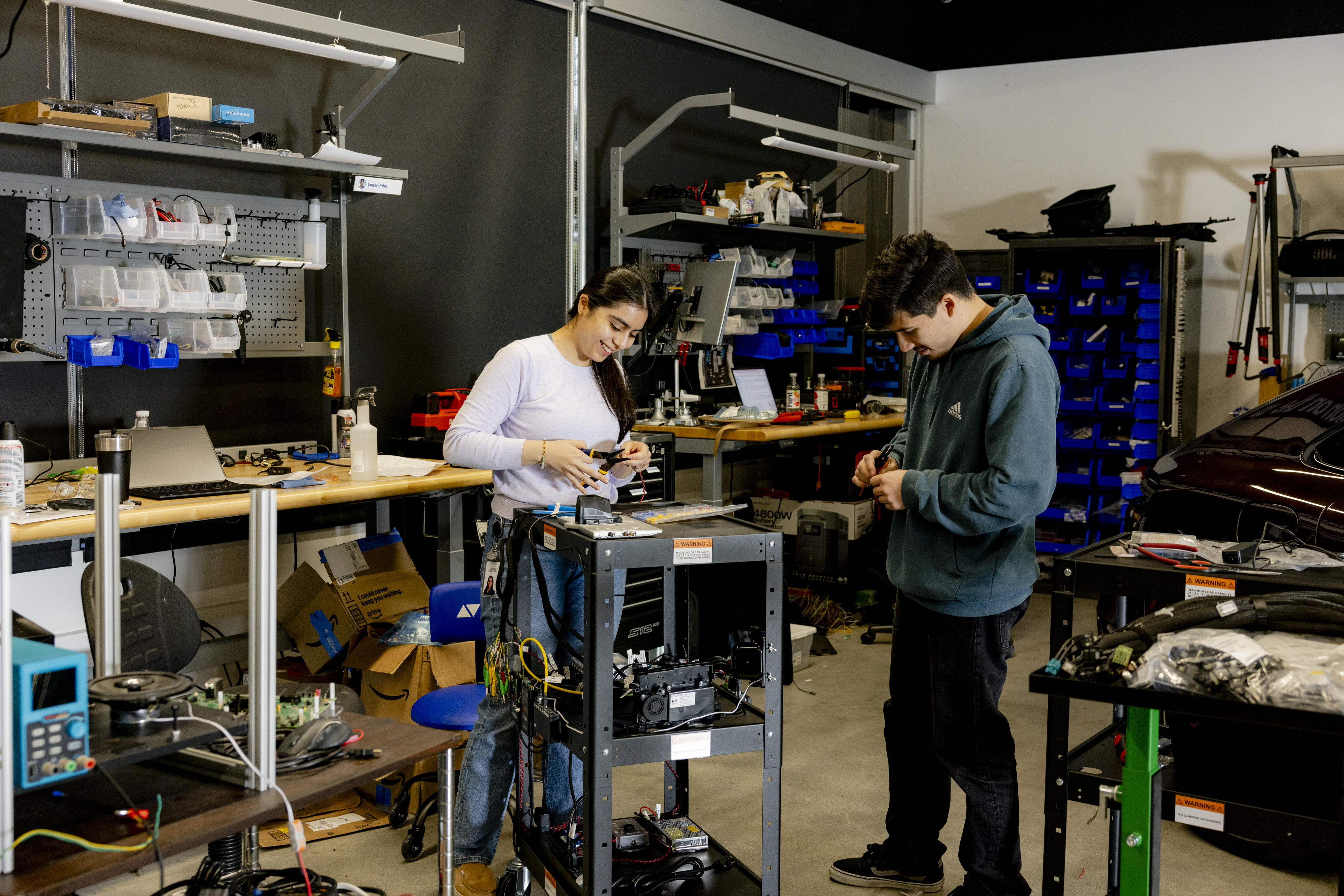
Fitting in: The vibe and how we work
"Culture" gets thrown around in Silicon Valley a lot, but usually it ends at drinks in the fridge and free lunches. Here, culture is the shared behavior everyone actually exhibits. When you join Applied, you absorb it pretty quickly.
My favorite company value is radical pragmatism. You can’t turn your brain off for any decision. You’re always doing whatever is most pragmatic.
A good example is how we do travel. Most people going on a business trip blindly book a flight and don’t think much more about logistics. Here, we may think too much about what the implications of the costs are, or the transit time. We are literally thinking, "Is the business going to do better or worse because of that $200 dollar difference in flight prices?" This micropragmatism is a big reason why we've barely spent any of the money we've raised.
Another key part of that is speed. It’s not "let’s catch up next week," it’s "let’s figure this out today."
People who’ve left and joined much smaller companies will often tell me everything felt faster at Applied.
People don’t have many recurring meetings. If you need something, you go talk to someone. We use Slack religiously, especially given all the time zones. We believe being a hive mind is a big factor in our success, so we’re intentional about how people use it.
There’s a programmatic channel structure — you always know where to find the project channel, the customer channel, whatever you need. All these little touchpoints and lubricants help speed up people’s ability to find and communicate information as fast as possible. And if you end up writing an essay in Slack, it’s probably easier to just meet live or jump on a five-minute call. Our criteria for whether to have a meeting is: does a decision need to be made? If so, we’ll get on a decision-making meeting to run through open questions, with the goal of making a decision by the end of it. The other prompt for a meeting is if there’s some nuance that’s challenging to convey in writing. And we default to 15 minutes for both conditions. If it’s neither, the meeting doesn’t exist.
But it’s not all super serious. We’ve had meme channels come and go over the years. One of the old ones, the second meme channel, was my own #malhars-mansion. One of the more recent ones is #peanut-gallery, a live discussion feed during every all-hands.
We’ve maintained our no-shoes policy from the very first Applied office (a house in Mountain View) all the way to our current campus. At first, we didn’t wear shoes because we were working out of a literal house and it seemed odd to keep them on. But as we grew, we decided to keep it.

Not letting it break: Maintaining and evolving culture at scale
If you want to build a great company, you have to be different. Our approach to scaling is sheer paranoia about being like everyone else, which is extremely hard when you’re doubling or tripling the team.
The moment you accept sameness, you drift toward mediocrity.

So we’ve always tried to no more than double the company in any given calendar year. Because if you do, more than 50% of the company takes on a net-new culture. When I see these other cases of a 10x or 15x in one year, I just think that will probably implode because a company’s culture can’t sustain itself by adding so many people who don’t actually know it yet. It’s important to be intentional here.
One of the guards against that we implemented early on is called the culture table. It was Qasar, Peter, me and a few people from across the company. It specifically didn’t include managers. We’d meet to get a pulse on whether there were any deviations creeping in from a cultural perspective.
For example, one of the outcomes of that table is a scoring system for managers. ICs score their managers every six months by answering about 50 questions on how they’re doing. This prevents managers punching down, which certainly happens at other companies. So you want to pair the manager score with their performance metrics to see whether a team is both performing well and operating effectively. The combination is what’s important. It exposes the well-liked manager who doesn’t drive results, and the effective manager who makes everyone miserable. Those are the things we’d bring to a culture table discussion.
Looking back, we were able to stay under the radar for a long time because we recruited incredible talent through word of mouth. But that only works when you need 50 people, not 500. We’ve gotten more pragmatic about that. We’ve also felt we couldn’t keep building frontier technology without sharing our opinions and learnings more broadly, including on AI policy, and on the future of intelligent machines.
There’s a phrase we come back to a lot: "Only the paranoid survive." It sounds intense, but for us it really just means: Don’t get comfortable. Keep questioning your assumptions.
Stay paranoid.